
How to Stay Safe During a Heatwave: 15 Essential Tips
How to Stay Safe During a Heatwave with 15 practical tips to prevent dehydration, heatstroke, stay cool, protect health, and reduce heat risks.

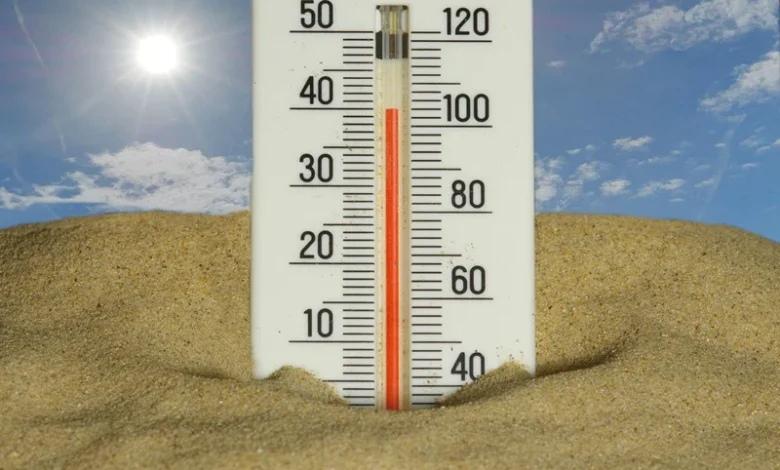
Heatwaves are becoming more frequent and intense, increasing the risk of dehydration, heat exhaustion, and heatstroke. Whether you’re at home, commuting, or working outdoors, taking simple precautions can help you stay safe during periods of extreme heat.
1. Drink Plenty of Water
Stay hydrated throughout the day, even if you don’t feel thirsty. Avoid waiting until you’re dehydrated.
2. Avoid the Midday Sun
Limit outdoor activities between 11 AM and 4 PM, when temperatures are usually at their highest.
3. Wear Light-Colored Clothing
Choose loose-fitting, lightweight, and breathable fabrics like cotton to stay cool.
4. Use Sunscreen
Apply a broad-spectrum sunscreen with SPF 30 or higher to protect your skin from harmful UV rays.
5. Stay Indoors When Possible
Spend time in air-conditioned or well-ventilated spaces during the hottest part of the day.
6. Close Curtains and Blinds
Keep sunlight out by closing curtains or blinds during the afternoon to reduce indoor heat.
7. Eat Light Meals
Choose fruits, vegetables, and other water-rich foods instead of heavy, oily meals.
8. Avoid Alcohol and Excess Caffeine
These drinks can contribute to dehydration during extreme heat.
9. Never Leave Children or Pets in Vehicles
Even a few minutes inside a parked car can be life-threatening during hot weather.
10. Check on Vulnerable People
Older adults, young children, and people with chronic illnesses are more vulnerable to heat-related illnesses.
11. Reduce Physical Activity
Avoid strenuous exercise or outdoor work during peak heat hours. If necessary, take frequent breaks.
12. Keep Your Home Cool
Use fans, air conditioners, or natural ventilation during cooler morning and evening hours.
13. Watch for Heat Illness Symptoms
Dizziness, heavy sweating, muscle cramps, nausea, headache, and confusion may indicate heat exhaustion or heatstroke.
14. Carry Water While Travelling
Keep a reusable water bottle with you, especially when commuting or spending time outdoors.
15. Follow Weather Alerts
Stay informed about heatwave warnings and follow advice from local authorities.
More Heatwave Insights Await
Why Track Marine Heatwaves Closely?
Discover why scientists are monitoring oceans more than ever.
How Heat Hurts Public Transit?
Find the biggest infrastructure challenges caused by extreme heat.
Can Heat Impact Nuclear Plants?
Look into cooling challenges facing power stations worldwide.
Which Militaries Face Heat Disruptions?
Browse countries where heatwaves are affecting military operations.
Why Rank Heatwaves Like Hurricanes?
See why extreme heat is becoming a major disaster risk.
Conclusion
Heatwaves can be dangerous, but simple precautions can greatly reduce health risks. Staying hydrated, avoiding peak sunshine, keeping your home cool, and recognizing the early signs of heat-related illness can help you stay safe until temperatures return to normal.
FAQs
What is the biggest risk during a heatwave?
Heatstroke is the most serious heat-related illness and requires immediate medical attention.
How much water should I drink during a heatwave?
Drink water regularly throughout the day, even if you don’t feel thirsty. Your exact needs depend on your age, activity level, and the weather.
Which people are most at risk?
Older adults, children, pregnant women, outdoor workers, and people with chronic health conditions.
Can fans prevent heatstroke?
Fans improve comfort but may not be enough during extreme heat. Air conditioning or cooler environments are more effective when temperatures become very high.