Top 10 Best ‘Climate Haven’ Cities to Buy Property In
Discover the top 10 climate haven cities to buy property in 2026. Explore resilient locations with strong infrastructure and long-term investment potential.

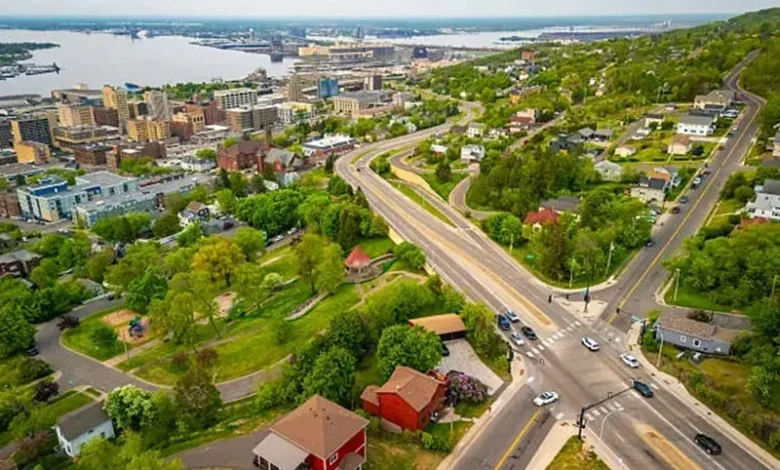
As climate risks such as heatwaves, flooding, droughts, and wildfires increase, many homebuyers are considering “climate haven” cities, places that are generally viewed as more resilient to long-term climate impacts. While no city is completely immune to climate change, some are better positioned due to cooler climates, strong infrastructure, abundant freshwater, and proactive climate planning.
Here are 10 cities often recognized for their climate resilience and long-term property potential.
1. Duluth, Minnesota, USA
Located on the shores of Lake Superior, Duluth has abundant freshwater, cooler summers, and a relatively low risk of hurricanes and wildfires, making it a popular climate haven.
2. Madison, Wisconsin, USA
Madison offers plentiful freshwater, strong infrastructure, and fewer extreme weather events than many coastal cities.
3. Burlington, Vermont, USA
Known for its environmental policies and access to freshwater, Burlington is considered one of the more climate-resilient cities in the northeastern United States.
4. Minneapolis, Minnesota, USA
With significant investment in green infrastructure and water resources, Minneapolis is increasingly attracting buyers seeking long-term climate resilience.
5. Copenhagen, Denmark
Copenhagen has invested heavily in flood protection, green urban planning, cycling infrastructure, and sustainable development to adapt to climate change.
6. Helsinki, Finland
Cooler temperatures, reliable public services, and long-term climate adaptation strategies make Helsinki an attractive option for future-focused buyers.
7. Wellington, New Zealand
Although earthquake risks remain, Wellington benefits from a mild climate, strong environmental policies, and relatively abundant water resources.
8. Zurich, Switzerland
Zurich combines high-quality infrastructure, water security, and comprehensive environmental planning, making it one of Europe’s most resilient cities.
9. Sapporo, Japan
Sapporo experiences cooler summers than much of Japan and has been recognized for its climate resilience and preparedness.
10. Singapore
Despite tropical heat, Singapore has become a global leader in climate adaptation through flood protection, urban greenery, water recycling, and smart city planning.
Explore smarter ideas shaping a greener future.
Are Green Cities Fair To Everyone?
Uncover how eco-projects affect local communities and neighborhoods.
Is Tokyo’s Green Transport Working?
Check out whether EV policies are delivering real-world results.
Could Solar Trees Change Energy?
Discover how solar trees generate cleaner power in urban spaces.
Which Countries Lead Green Jobs?
Browse the top destinations driving sustainable career opportunities.
Where Are Top E-Waste Eco Parks?
Find the world’s leading eco parks tackling electronic waste.
Conclusion
As climate change influences where people choose to live and invest, climate resilience is becoming an important factor in real estate decisions. While no city is completely protected from future climate risks, locations with strong infrastructure, sustainable planning, and reliable natural resources may offer greater long-term security for homeowners and investors. Buyers should also consider local flood maps, insurance costs, and future climate projections before purchasing property.
FAQs
Q: What is a climate haven?
A: A climate haven is a city or region considered relatively more resilient to long-term climate risks such as extreme heat, flooding, and drought.
Q: Are climate haven cities completely safe from climate change?
A: No. Every city faces some level of climate risk, but some are better prepared to adapt than others.
Q: Why are freshwater resources important?
A: Reliable access to freshwater supports drinking water supplies, agriculture, and long-term urban sustainability.
Q: Should climate resilience influence property purchases?
A: Yes. Many buyers now consider flood risk, heat exposure, insurance costs, and local climate adaptation plans before investing.