Opinion
-

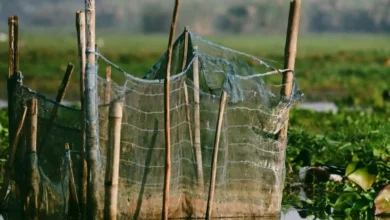
Mangrove-Free Coasts: How Shrimp Farming Eats Shorelines
When it comes to shrimp on your plate, one should consider the costs incurred to the coastal region. Shrimp farming…
Read More » -
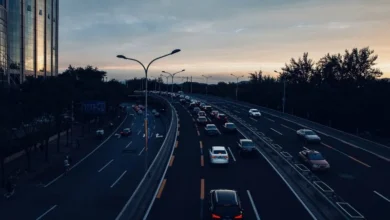
Light Pollution’s Cousin: Noise Pollution in Cities
Urban sounds are not just irritating noise. Noise pollution in cities, According to the guidelines from WHO, staying in places…
Read More » -
Indoor Air Pollution: The Smoke Inside Homes
Indoor air pollution, An estimated 2.1 billion people use open fires or inefficient cooking appliances that use wood, dung, agricultural…
Read More » -
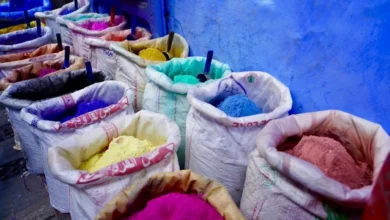
Textile Dyes and Dying Rivers: The Water Cost of Clothing
Fashion is believed to account for as much as one-fifth of all industrial water pollution—although the exact figure is debated.…
Read More » -
Solar Geoengineering: Could We Dim the Sun to Cool the Planet?
Solar geoengineering refers to the practice of redirecting a small amount of sunlight back into space to cool the Earth.…
Read More » -
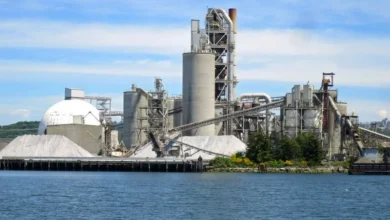
Cement and Climate: Why Concrete Is One of the Biggest Emitters
Cement is responsible for approximately 8 percent of CO2 emissions globally, surpassing aviation at roughly 2.5 percent, cement and climate,…
Read More » -
Soil Degradation: Why Healthy Soil Is Running Out
According to the FAO, over 95% of the food we eat is derived from soil, and currently about 33% of…
Read More » -
Green Hydrogen: Clean Fuel Hype or Real Hope?
Hydrogen is actually produced through burning. During this year, green hydrogen production has been from fossil fuels to the level…
Read More » -
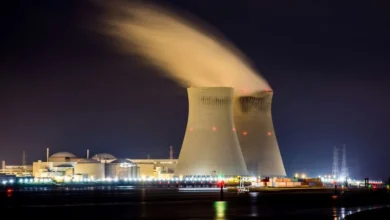
Is Nuclear Power Part of the Climate Solution?
Globally, nuclear energy plays a role in producing roughly 10 percent of electricity, which makes it the second biggest low-emission…
Read More » -
Carbon Offsets: Do They Really Work?
Carbon Offsets are designed to eliminate emissions, though Oxford and Penn research illustrate that they do not always achieve true…
Read More »