Top 10 Endangered Species Making a Comeback in 2026
Ten endangered species make a comeback in 2026. Learn how conservation, habitat restoration and breeding programs are helping wildlife recover.

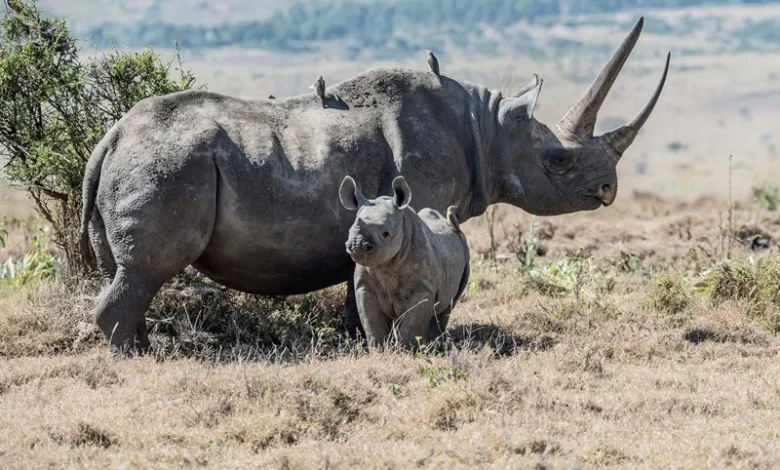
Sure, the headlines are often about wildlife going extinct, but 2026 also has some really good news. There are some threatened species that were believed to be almost extinct but are now showing signs of real recovery. It’s not a comeback that happens by accident. It has been a slow, science-based effort to endangered species across decades and continents.
Why Some Species Are Rebounding Now
Recovery isn’t something you can do overnight. A lot of this recovery has been down to long-term protective legislation, captive breeding, habitat restoration and reduced poaching, as well as local communities getting involved in protecting the wildlife on their doorsteps.
10 Species on the Increase
•Bald eagle—In the 1960s there were fewer than 500 breeding pairs in the United States. After the banning of the pesticide DDT, their numbers have increased to around 14,000.
•Grey wolf—Wolves were reintroduced to Yellowstone in 1995 and now number about 7,500 in the lower 48 US states.
•American Alligator—From the brink of extinction to over 5 million today.
•Green sea turtle – Uplisted from Endangered to Least Concern by the IUCN; nesting populations are up nearly 28 percent since the 1970s.
•Giant panda—downlisted from Endangered to Vulnerable (China has increased its protected forest reserves).
•Amur leopard—The population has risen from around 30 animals in the early 2000s to over 100 today.
•Przewalski’s horse (takhi)—Wild population in Mongolia exceeds 1,000 after full recovery from reintroduction program.
•North Atlantic right whales — The last calving season produced a record number of 23 new calves, the highest number since 2009.
•Eastern barred bandicoot — A genetic rescue program in Australia has helped increase its population from a few hundred to more than 2,000.
•Sumatran orangutan—Still vulnerable, but targeted habitat protection is reversing decline and providing a fragile opportunity for recovery.
How You Can Assist These Efforts
You don’t need to be a scientist to save wildlife. Here are some simple steps:
•Only give to verified wildlife charities or local conservation groups, not to unregulated donation links.
•Choose products that have sustainable sources, such as palm oil that is not linked to deforestation.
•Report illegal wildlife trade to local authorities or organizations such as the World Wildlife Fund.
•Support accredited zoos and sanctuaries that have breeding programs.
•“Get accurate updates from official wildlife agency social media, not viral misinformation.”
What it means for the planet
These ten stories demonstrate that species recovery is achievable through sustained protection and continued funding. This does not signify the end of the biodiversity crisis. Many other species are still declining steeply and any gains can be rapidly reversed if habitat protection is undermined.
Conclusion
Species that are making a comeback, such as the bald eagle, green sea turtle and Przewalski’s horse, show that extinction is not always the end of the story. With continued funding, tougher habitat laws, and public support, there could be more species on this road in the years ahead. Every small decision, from buying responsibly to donating to local conservation groups, helps build a stronger, more resilient natural world.
Wildlife stories worth watching closely.
Which Countries Face Wildlife Loss?
Check out global hotspots where endangered species need urgent protection.
What Makes This Monkey So Rare?
Find out about the newly discovered orange-lipped monkey in Congo.
Why Are Andaman Species Disappearing?
Uncover why these unique species need immediate conservation efforts.
Can AI Help Save Wildlife?
See how AI is transforming endangered wildlife monitoring.
Which Species Are Near Extinction?
Look into wildlife facing the highest risks of disappearing.