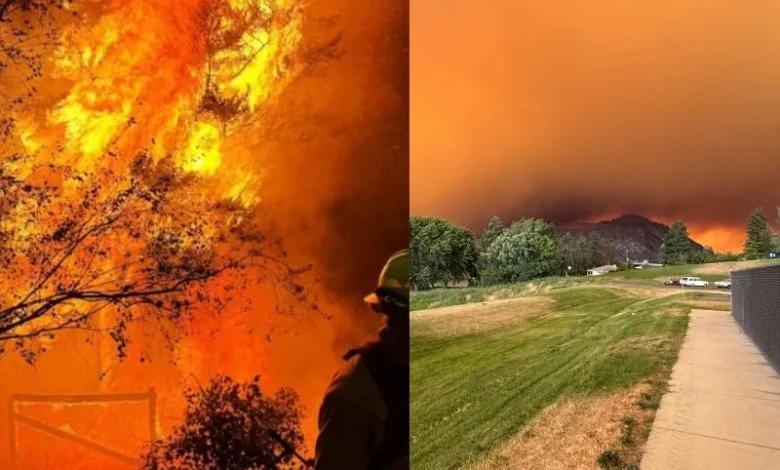
The Spokane wildfires are starting to die down after causing havoc across eastern Washington. Firefighters are gaining control of the flames and thousands of residents who fled their homes are coming back. But the emergency is not quite over, with damaged neighborhoods and dangerous hot spots that still need attention.
Firefighters Assume Control
Fires in the Spokane area have burned some 10,000 acres and destroyed or heavily damaged more than 900 homes. At the height of the crisis, some 64,000 were evacuated.
Some 1,700 firefighters are working to contain the blazes and keep them from spreading. Crews have now moved from aggressive firefighting to mop-up work. It’s about locating “hot spots” that could reignite and putting them out.
Evacuated, begin to go home
People are moving back, and a major change is taking place in communities near Spokane. Some places have lifted evacuation orders, allowing people in less-affected areas to go home.
But coming home doesn’t mean everything is back to normal. Some roads remain closed, and residents may see damaged buildings, downed trees, power problems or lingering smoke.
“Don’t enter into restricted areas just because the flames are gone; follow the instructions given by authorities,” he said.
The ever-present threat of wildfire
The Spokane fires expanded during a stretch of hot, dry weather. In this kind of weather vegetation can dry out quickly and fires can behave unpredictably.
And embers can remain underground or in damaged buildings for a long time after the flames are out. Also, changing winds can blow smoke and fire into nearby areas.
The greater Washington region has had its share of wildfire emergencies in recent years. The numerous large fire declarations in Spokane County show wildfire readiness is a long-standing local issue.
What to Do When Returning Residents Come – Spokane Wildfires
“People who are going home after evacuation should be careful. Reducing unnecessary risks is just a few simple steps away:
• Before you travel, check the latest evacuation status.
• Follow directions of emergency officials and watch for road closings.
• Avoid damaged buildings until officials have said it is safe to enter.
• Watch for smoke, hot spots and downed power lines.
• Have emergency supplies ready for another evacuation.
Please pay attention to local alerts and notices.
Smoking is still a big problem. In the past, large wildfires have had significant impacts on air quality in Washington, with unhealthy conditions in Spokane County.
A Word of Warning to Other Communities
The Spokane experience is the bigger lesson for communities around the world. “Wildfires can spread rapidly, particularly when there are dry conditions combined with strong winds and vegetation nearby.
Early warnings, clear evacuation plans and reliable mobile alerts can give families precious time to get out of harm’s way. Local governments also require robust communication systems for residents who might have limited internet access or other impediments in emergencies.
Conclusion
Spokane wildfire recovery enters a new phase as evacuation restrictions are eased and residents begin to return. But it will take a lot longer to recover than to fight the fire. Communities are now coping with damaged homes, smoke, disrupted services and the threat of fresh fires.
More ocean stories to explore.
How Are Coral Reefs Being Saved?
Discover how innovative conservation efforts are protecting reefs.
Why Does Coral Bleaching Spread?
Find what causes bleaching and supports reef recovery.
Why Are Global Reefs Collapsing?
Uncover how climate change is damaging coral ecosystems.
How Severe Is Coral Bleaching?
See why bleaching now affects most coral ecosystems.
Why Are Reefs Facing Extreme Heat?
Look into the growing impact of ocean warming on reefs.