Spokane Wildfires Rage On: Why Is Dangerous Fire Weather Returning to the Pacific Northwest?

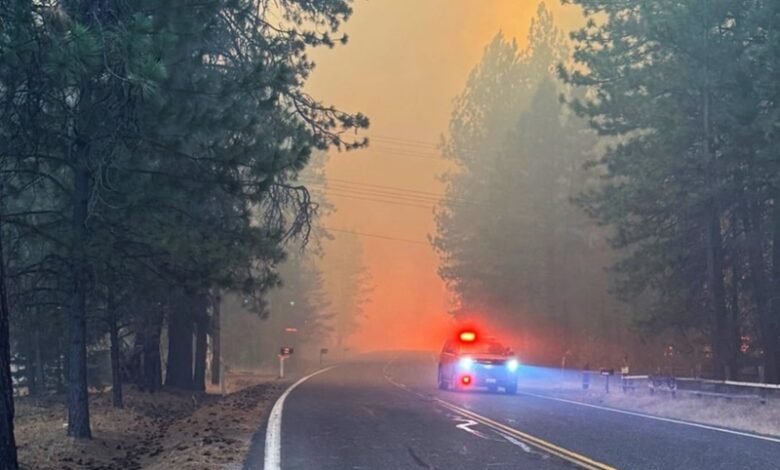
The Spokane wildfires have demonstrated how quickly conditions can change across Washington. Dangerous fire weather is concerning across the Pacific Northwest after destructive fires ripped through Spokane County. Within hours, hot weather, dry grass and strong winds can add up to a dangerous situation.
Why Spokane Fire Is Spreading So Fast
The eastern part of Washington is naturally drier than the state’s coastal areas. When hot weather lasts for a long time, grasses, shrubs and forest debris dry out. These materials will then burn quickly when a fire starts.
The wind makes it worse. High winds can drive fire into new vegetation and drive burning embers ahead of the fire front. It can spark new fires far from the original blaze.
Recent fires near Spokane have demonstrated how rapidly these conditions can threaten homes and other structures. Wildfire exposure is also a significant danger to communities across Spokane County, local officials have also identified.
Why Dangerous Fire Weather Is Coming Back
Fire weather is more than temperature. Dangerous conditions can occur when heat, low humidity, dry fuels and wind combine.
As 2026 began, there were several areas of abnormally dry conditions in the Pacific Northwest. The National Interagency Fire Centre is forecasting above-normal potential for significant fires in the Northwest this August.
That means even a short burst of high winds can become serious when the vegetation is already dry.
The Wider Pacific Northwest Risk
It’s not just a Spokane problem. Similar fire conditions can occur in Washington, Oregon and nearby areas when it is hot and dry.
Smoke can also reach far beyond active fire zones. Parts of the Pacific Northwest saw worsened air quality, including in urban areas, from recent wildfire smoke. This threatens the health of people living far from the flames.
It’s why communities need to take air quality alerts and evacuation warnings seriously.
What You Can Do Before Things Get Worse
Simple steps people living in fire-prone areas can take before an emergency develops:
•Keep phones charged and emergency alerts activated.
•Immediately follow official evacuation instructions.
•Gather medications, ID and other required paperwork.
•Keep vehicles fueled and ready to go.
•Do not burn outdoors during fire restrictions.
•Check air quality updates before heading out for a workout.
•When smoke levels are unhealthy, close your windows.
People are advised to listen to emergency alerts and not believe anything on social media that has not been verified.
Coming Next For Spokane?
Extreme fire weather returns to show that wildfire season is far from over. Winds will increase and vegetation will stay dry, making for tough firefighting conditions.
The summer is coming up and Spokane and the greater Pacific Northwest need to be ready. But it’s not a summer task, it’s a year-round responsibility. Better vegetation management, community planning and rapid public warnings can lessen the consequences of future fires.
More ocean stories to explore.
How Are Coral Reefs Being Saved?
Discover how innovative conservation efforts are protecting reefs.
Why Does Coral Bleaching Spread?
Find what causes bleaching and supports reef recovery.
Why Are Global Reefs Collapsing?
Uncover how climate change is damaging coral ecosystems.
How Severe Is Coral Bleaching?
See why bleaching now affects most coral ecosystems.
Why Are Reefs Facing Extreme Heat?
Look into the growing impact of ocean warming on reefs.
Conclusion
The Spokane wildfires show how quickly heat, dryness, and wind can turn a wildfire into a major community emergency. dangerous fire weather is returning and residents should stay alert, monitor official warnings and prepare before evacuation is needed.