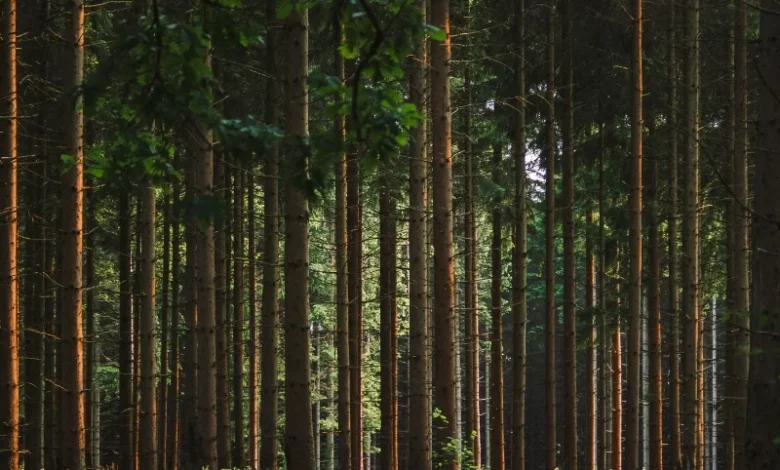
Miyawaki forests, small densely planted areas of local trees, are called fast urban forests, but a review in 2026 concluded that the serious claims made about them are based on weak evidence.
What Evidence Exists?
A review published in the Journal of Applied Ecology stated that the claim that Miyawaki forests grow “ten times faster” is only partially substantiated and that there is no evidence that these forests can develop within 20-30 years. Out of the 51 reviewed articles, only eight assert that the established Miyawaki forests provide better Carbon sequestration.
Is There Any Positive Evidence?
There are some. In Bengaluru and Palakkad, young forests (Miyawaki forests) at the age of five years managed to contain almost four times more carbon than their younger peers at the age of two, according to Mongabay India, even though no evidence exists that forests would mature independently after three years.
Should They Be Created?
Those in favor of this method claim that it features the growth rate that is 10 times faster, the density that is 30 times higher, and biodiversity that is 100 times richer, while two practitioners from India claim that the method does not provide real forests. Small plantings can complement city parks and green roofs, not replace them.
Related Reads
Do Carbon Markets Work?
Learn whether carbon markets can truly protect forests.
Can Markets Pay for Nature?
Explore whether biodiversity credits can fund conservation.
Is Extreme Heat a Health Crisis?
See why it is hitting public health worldwide.