climate change
-
News

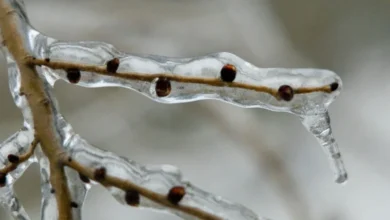
Interrupted Hibernation: How Warm Winters Disturb Animal Sleep
Hibernation is a very carefully timed way of using energy efficiently. When the winters become warmer or unpredictable, many animals…
Read More » -
News
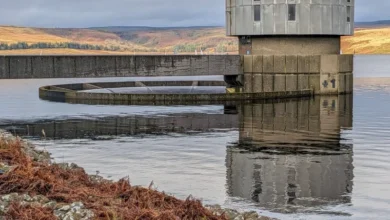
Shrinking Reservoirs: Why Are Big Water Stores Running Dry?
Large human made reservoirs are also becoming low in many places. Dry spells, increased temperature and water consumerism all play…
Read More » -
World
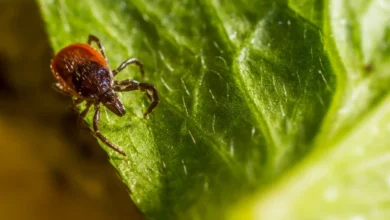
Ticks and Lyme Disease: Is Warming Widening the Danger?
The tick-borne disease known as Lyme disease is one of the most prevalent insect-related illnesses in temperate climatic conditions. The…
Read More » -
News
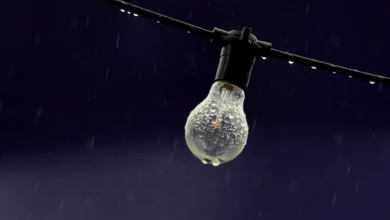
Wet Bulb Temperature: How Hot and Humid Is Too Hot to Survive?
The Wet-Bulb Temperature is an average measure of temperature accounting for humidity altogether. It was studied by Penn Press and…
Read More » -
News
CO2 Fertilisation: Does More Carbon Dioxide Really Help Plants?
Carbon dioxide in the atmosphere can help the growth of plants (CO2 fertilisation), but its helpfulness may depend on nutrients…
Read More » -
News
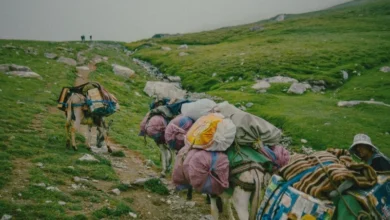
Uphill Migration: How Plants and Animals Are Moving Up Mountains
Warming is driving mountain species into uphill migration up the slopes of mountains by approximately eleven meters every ten years…
Read More » -
News
Earlier Springs: How Shifting Seasons Disrupt Nature
In the UK, earlier spring has now come approximately 11 days before March 1900, and not all species have adjusted…
Read More » -
World
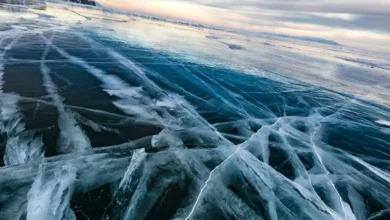
Lake Ice Loss: Why Are Winter Lakes Freezing Later?
Lakes have begun to freeze later and thaw earlier (lake ice loss) which means that the average length of time…
Read More » -
News
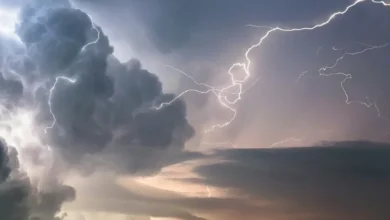
Stalling Storms: Why Are Hurricanes Dumping More Rain Than Before?
Stalling Hurricanes produce more precipitation when they travel at slow speeds, and NOAA scientist Jim Kossin determined that the forward…
Read More » -
News
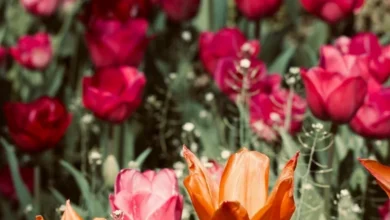
Pollen Seasons: How Warming Is Making Allergies Worse
Rising temperatures are causing pollen seasons in North America to kick off around twenty days earlier than they used to,…
Read More »