

Many suggest that an efficient irrigation scheme can be a good low carbon solution to increase agricultural output. Reduced areas of land can then be used in order to achieve desired outputs and so there may be lower incentives to clear woodland or grassland. However, there are several emission aspects to consider.
How Can It Reduce Emissions?
Improved productivity through irrigation means that a smaller area of land can be used and so no deforestation or grassland clearance is required – preventing substantial carbon emissions. Furthermore, in drier areas a steady water supply can maintain and even improve crop productivity; and so lessen the chance of poor output.
Where Are Further Emissions Generated?
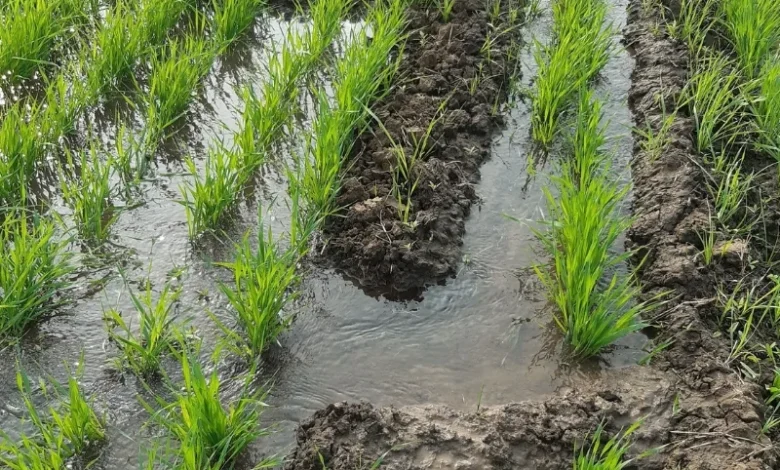
Energy (often from non-renewable resources) is used to power irrigation. Water-logged rice paddies and water-saturated soils can produce methane and nitrous oxide. Poor efficiency also causes unnecessary water and energy use. Studies reviewed by the FAO and IPCC highlight that the overall climate impact of irrigation is strongly influenced by both the type of, and area that it is used on.
What Constitutes Climate Smart Irrigation?
Employing techniques which accurately target water application, alongside using renewable energy to drive pumps, can all aid efficiency. Improved timing of irrigation can also enhance outcomes. Efficient irrigation can then further benefit from being combined with soil carbon strategies. On the contrary, just increasing irrigation use without improving efficiency can lead to increased overall emissions.
You May Also Like
Shrinking Reservoirs: Why Are Big Water Stores Running Dry?
See the growing pressure on the water sources that feed irrigation.
Danube Drought 2026: Crops, Dry Rivers and Crisis
Understand how water shortages already threaten farming.
Snow Droughts: Why Winters Are Losing Their Snow
Learn how less snowpack affects summer irrigation supplies.
Gas Prices and Fertiliser: How an Energy Crisis Raises Food Prices
See another link between energy, farming and emissions.