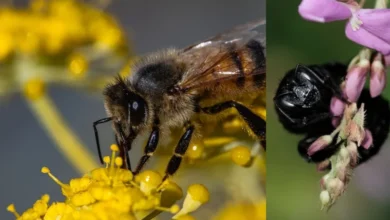

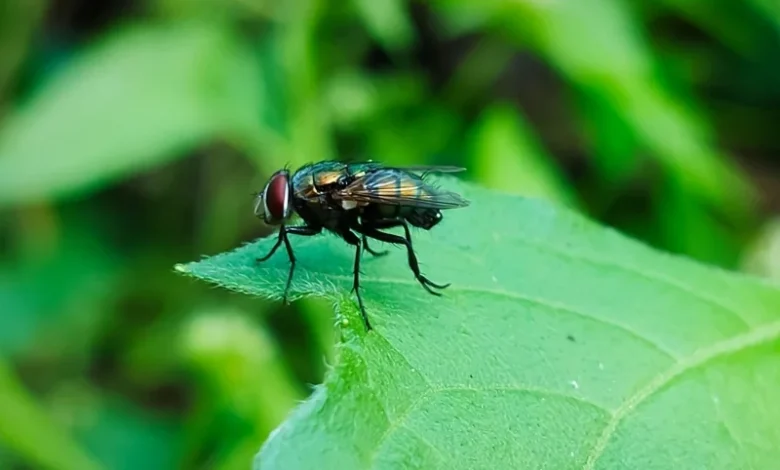
The New World screwworm refers to the immature phase of a fly which lays its eggs on the exposed surfaces of animals that are warm-blooded. The worms will then make a meal of the living tissue, inflicting grave injury and sometimes death. This pest was once mainly controlled in North America but is again spreading into the north.
Why Is the Range Extending Further North?
Warm weather helps the fly to live in countries where it was previously impossible to live. Less use of sterile-insect release programmes means that the pest spreads much faster like New World screwworm. Some occurrences of the pest have been detected in Central America and are being tracked closely in the southern United States.
What Are the Dangers?
Cattle, animals and humans can all be harmed. Severe outbreaks can create difficult wounds, secondary infections, and result in farmers facing huge losses. The USDA and FAO defined and continue to monitor the epidemic situation as a huge outbreak will be too expensive.
How Is It Managed?
The traditional practice is the use of sterile insects. In this case, millions of males are released to ensure that wild females do not mate with wild males. Early detection, wound treatment, and movement control are essential due to climate and trade factors impacting the outbreak.
Related Reads
Spillover: How Habitat Loss Raises Pandemic Risk
Understand how environmental change can increase disease threats.
Biodiversity Loss Surges in Climate-Sensitive Areas
Learn how warming is reshaping ecosystems and species distributions.
Wildlife Population Decline: What the Latest Numbers Show
See the broader picture of pressure on wild animals.