
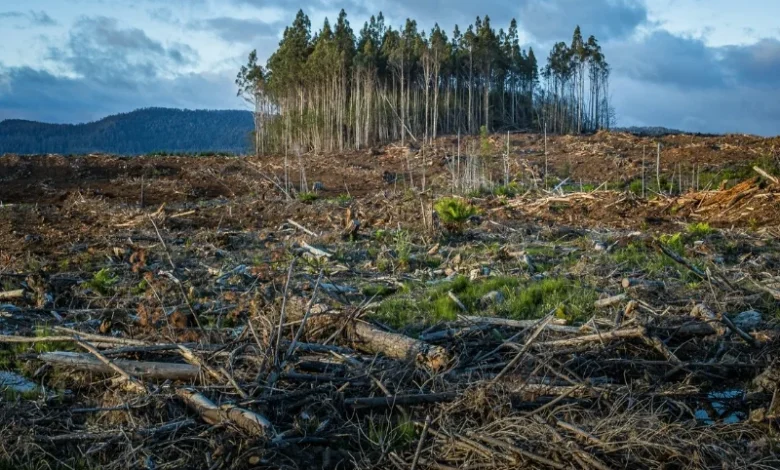
Most of the newly generated illnesses can be classified as zoonotic diseases (pandemic risk); over 30 percent of them are caused by land-use changes, agricultural expansion, and urbanization.
Ways in Which Habitat Loss Is Increasing the Risks
Mongabay cites the IPBES report, which states that as forests are cut down to make way for crops and livestock, the people and animals have started getting in closer contact with the wildlife that might be diseased. According to the estimates, there might exist between 540,000 and 850,000 virus species that can potentially affect human beings.
Examples of the Outbreaks
As reported by ProPublica, Nipah has killed 100 people because the slash-and-burn farming changed the habitat of bats so that they got closer to pig farms; clearing the eucalyptus trees in Australia made bats pursue the humans, resulting in the emergence of Hendra virus.
Possible Reductions of the Risks
As stated in IPBES recommendations, pandemic risks should be evaluated and controlled in case of land-use projects and wildlife trade. Protecting wildlife is important through either creating the biodiversity credits or decreasing the rates of the 6th mass extinction which, under the estimations, will require about 100 times less funding than in the case of COVID-19.
Related Reads
Is the Amazon Near a Tipping Point?
Learn how close diebacks really are.
Can Diets Cut Climate Impact?
See how plant-based diets affect the planet.
Is Extreme Heat a Health Crisis?
See why it is hitting public health worldwide.