
What Do Official Weather Alerts Mean? A Guide to Decoding Yellow, Orange, and Red Warnings

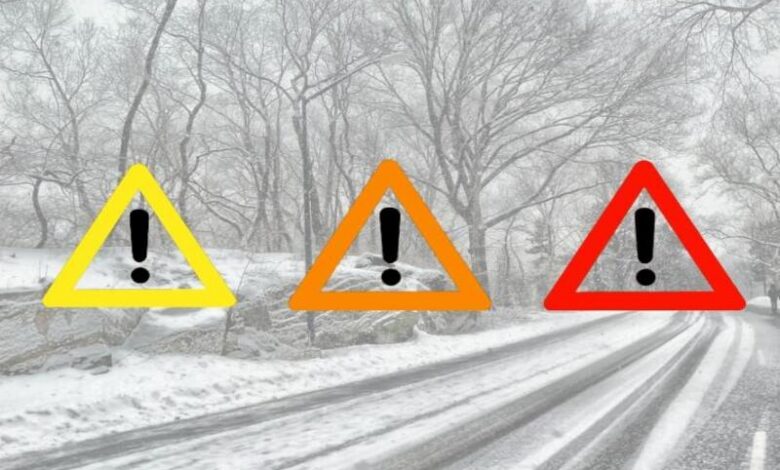
Weather departments use color-coded alerts to warn people about potentially dangerous weather conditions. Whether it’s a heatwave, heavy rain, thunderstorms, or strong winds, understanding these alerts can help you prepare and stay safe. Although the exact criteria may vary slightly between countries, the meanings of Yellow, Orange, and Red alerts are generally similar.
🟡 Yellow Alert – Be Aware
A Yellow Alert indicates that weather conditions could affect daily activities, but the risk is relatively low.
You should:
- Stay updated with weather forecasts.
- Be cautious while travelling.
- Plan outdoor activities carefully.
- Keep an umbrella or rain gear if rain is expected.
Yellow alerts are often issued for moderate rain, thunderstorms, heatwaves, fog, or strong winds.
🟠 Orange Alert – Be Prepared
An Orange Alert means there is a high chance of severe weather that could disrupt normal life.
You should:
- Avoid unnecessary travel.
- Secure loose outdoor objects.
- Prepare for possible power outages or flooding.
- Follow instructions from local authorities.
Orange alerts are commonly issued for heavy rainfall, severe heatwaves, thunderstorms, or strong winds that may cause damage.
🔴 Red Alert – Take Action
A Red Alert is the highest level of weather warning. It indicates extremely dangerous weather conditions that pose a serious risk to life and property.
You should:
- Stay indoors unless travel is essential.
- Avoid flooded roads and riverbanks.
- Follow evacuation or emergency instructions if issued.
- Keep emergency supplies, drinking water, medicines, and charged mobile phones ready.
Red alerts are usually issued during extremely heavy rainfall, flash floods, cyclones, severe heatwaves, or other life-threatening weather events.
Why Weather Alerts Matter
Early weather warnings help people prepare before dangerous conditions arrive. They also allow authorities to respond quickly by closing schools, restricting travel, or deploying emergency services when necessary.
Conclusion
Understanding weather alerts can help you make safer decisions during extreme weather. A Yellow Alert means stay aware, an Orange Alert means prepare for possible disruption, and a Red Alert means take immediate action to protect yourself and your family. Always follow official advisories and avoid taking unnecessary risks during severe weather.
FAQs
What does a Yellow Alert mean?
It means weather conditions may cause minor disruptions, so people should stay informed and be cautious.
What should I do during an Orange Alert?
Prepare for severe weather, avoid unnecessary travel, and follow local advisories.
Is a Red Alert dangerous?
Yes. It is the highest level of warning and indicates a serious threat to life and property.
Are weather alerts issued only for heavy rain?
No. They can also be issued for heatwaves, thunderstorms, strong winds, fog, cyclones, and other hazardous weather.
Where can I check official weather alerts?
Follow your country’s official meteorological department or local disaster management authority for the latest updates.