Rare Trees Face Mass Die-Off on California’s Santa Rosa Island: What Happened?
Rare trees on California's Santa Rosa Island face a mass die-off. Discover what happened, possible causes, conservation efforts, and the latest updates today.

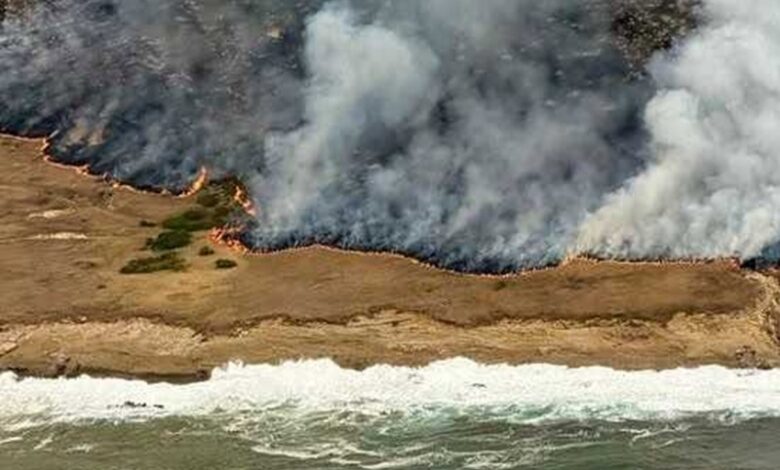
Now a piece of forest found nowhere else on Earth is struggling to survive. The Santa Rosa Island Torrey pine, found only off the coast of Southern California, are experiencing a mass die-off after a massive wildfire scorched their home, a plight that has alarmed scientists and conservationists well beyond the United States.
What Happened on Santa Rosa Island
A wildfire of human origin began in May 2026 on Santa Rosa Island, in Channel Islands National Park. Ultimately, the fire burnt more than a third of the island, the largest ever recorded on the island. Early reports at the time said serious harm was avoided in the island’s Torrey pine grove. But new federal estimates of the damage tell a different story.
Why the Torrey Pine Die-Off Matters
The Torrey Pine of Santa Rosa Island is found in only two localities in the world: this isolated island and a small reserve near San Diego. The island form is recognized as a distinct subspecies, molded by millennia in isolation. Now the National Park Service estimates that 60 to 80 percent of the island’s pines will die, either in the fire or slowly from stress in the months and years ahead.
“It’s not just about how many trees are dead,” say botanists. That raises deeper questions. Can the seeds that survived still sprout? The changing climate of the region may not even allow young pines to mature.
Red Flag for all islands
Santa Rosa Island is one of the Channel Islands and is sometimes compared to the Galápagos for its unique species that are found nowhere else. This fire was also a danger to rare succulents and other endemic plants. The story is similar to the threats faced by isolated habitats around the world, from Pacific atolls to Mediterranean islands, where one extreme weather event can wipe out species that exist nowhere else.
What Conservation Groups Are Doing
•Torrey pine cones for seed banking at the Santa Barbara Botanic Garden.
•Field surveys to assess damage on a tree-by-tree basis.
•Monitoring of delayed mortality over the years to come.
•Coordinate recovery planning with the National Park Service and external researchers.
Checklist: How You Can Help Save Rare Species
•Support seed-bank programs and botanical gardens that preserve rare native plants.
•Follow official updates from the National Park Service—don’t rely on social media rumors.
•Do not light fires in protected or fire-sensitive natural areas.
•Reinstatement of national and local funding for climate and conservation.
•Share verified information about species at risk to raise public awareness.
Explore more future-ready stories.
How Will Korea Cut Carbon?
Check out the coal phase-out strategy.
Which Countries Beat Urban Heat?
Find the leading cooling initiatives.
Which Cities Are Climate Ready?
Browse the smartest infrastructure projects.
Where Can Vegans Eat Best?
Discover top plant-based food destinations.
Which Cities Redefine Public Spaces?
See the world’s most innovative urban designs.
Conclusion
The mass die-off on Santa Rosa Island is a sobering reminder of how quickly rare, isolated ecosystems can be brought to the brink in a matter of weeks. If it does, it is likely to take decades to recover and will depend on seeds, climate conditions and human choices all falling favourably for the tree. “The time to pay attention to places like this is today, not when the last grove is gone.”