Typhoon Dolphin Slams Okinawa: China Shuts Ports as Storm Barrels Toward Its Coast
Typhoon Dolphin hits Okinawa as China prepares for landfall, with ports closed and heavy rain expected. Track the storm and safety updates. Read more now!

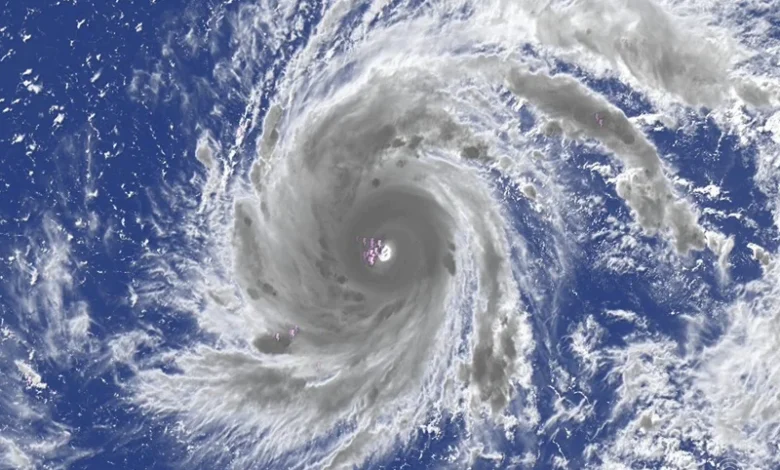
A powerful storm puts both governments on emergency footing at the same time. Typhoon Dolphin battered Japan’s Okinawa Prefecture on Saturday, and now attention has turned north as China races to protect its coastline from the storm.
What went wrong in Okinawa?
The Japan Meteorological Agency said the typhoon hit the southern islands of Okinawa with maximum sustained winds of 162 kph (101 mph) and gusts up to 216 kph (134 mph). Strong winds injured some elderly residents, mostly by blowing them over, and cut power to tens of thousands of buildings across Okinawa and neighboring Kagoshima Prefecture. The storm passed near Kume Island before continuing on its track and domestic carriers ANA and Japan Airlines cancelled flights to and from the region.
China Prepares for Impact
With the Dolphin now on a course toward China’s east coast, authorities there are leaving nothing to chance. The storm is forecast to hit land sometime between late Sunday and early Monday, probably between Zhoushan in Zhejiang province and Fuding in Fujian province. Zhejiang increased its coastal typhoon alert to the highest level, shutting ports and suspending over 160 passenger ferry routes. An airport near Ningbo also announced it would cease operations and a major port near Shanghai already had vessels moved away from the area by Friday evening.
Forecasters said eastern China could experience very heavy rain until August 12, with some parts of Zhejiang province likely to receive more than 600 millimeters (24 inches) of rain, raising the risk of flooding and landslides in low-lying and hilly areas.
The broader ripple effect”
This storm is no longer just Japan and China’s problem. Dozens of international flights were cancelled in Taiwan and heavy rain was forecast for the north of the island but no evacuations had been ordered there as of Saturday. China also issued new instructions for ships crossing the Taiwan Strait to follow its traffic guidance during the storm, a move Taiwan’s government resisted, saying international waters should not be under Beijing’s control.
A Quick Checklist for Anyone In the Path Of this Storm
•Don’t just rely on social media; keep in touch with your local weather service.
•Charge phones and power banks ahead of anticipated outages.
•Avoid unnecessary travel, particularly along coastlines and low roads.
•Keep important documents and emergency contacts close by.
•If local officials tell you to evacuate, leave immediately.
Conclusion
Typhoon Dolphin shows the speed with which one storm system may disrupt life across a region, from cancelled flights to closed ports to damaged homes. The question now is one of preparation and caution, not prediction, as the storm heads from Japan toward the coast of China. The best way to stay safe is to be informed through official channels.
Explore Five Stories Shaping Our Environment
How Did Kumamoto’s Quake Affect Wildlife?
Check out the earthquake’s hidden impact on ecosystems.
Which Wetlands Matter Most Globally?
Find the world’s most important wetlands and why they matter.
Why Is The Supreme Court Concerned?
Uncover what sparked the warning of a national crisis.
Why Does Tabasco Still Remember Pemex?
Browse the lingering effects of the Gulf Coast oil spill.
Is The Ganges Finally Getting Cleaner?
See whether the 2026 cleanup mission shows measurable progress.