
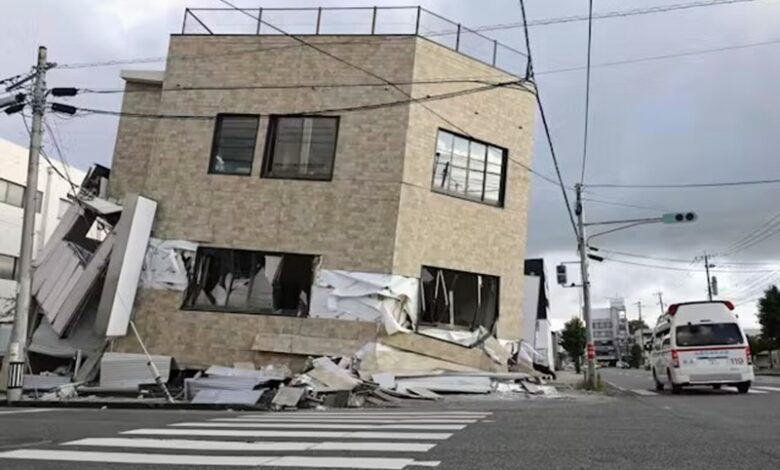
A powerful earthquake hit Kumamoto Prefecture on the southern Japanese island of Kyushu on July 28, 2026. Officials confirmed at least 13 dead, widespread damage to buildings and a temporary tsunami advisory for nearby seas. The human toll has been the subject of headlines, but the event is also a useful case study in how natural disasters reshape the wildlife and ecosystems that live alongside us, often in ways we rarely notice until much later.
Terrestrial animals and the influence of ground shaking on them
A broken fault line doesn’t only topple homes and roads. Powerful shaking can cover burrows, nesting sites and feeding grounds in seconds. Past earthquakes have pushed deer, wild boar and smaller mammals from their established territory into unfamiliar and sometimes more dangerous areas in the forested hills of Kumamoto. Some scientists say animal communities can also go strangely silent in the days leading up to a major tremor, a pattern linked to ground vibrations, air pressure or electromagnetic signals that animals pick up on long before humans do, researchers studying previous Japanese and Chinese earthquakes say.
Why Coastal and Marine Ecosystems Are So Vulnerable
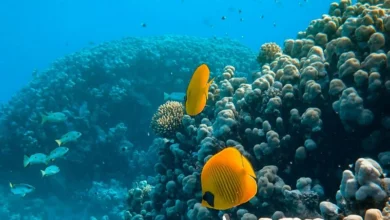
Kumamoto is near the Ariake and Yatsushiro Seas, which were briefly under tsunami advisories after the quake. Even a small tsunami surge can scour tidal flats, dislodge shellfish beds and carry pollutants into fishing grounds that local communities depend on for their livelihoods. Earthquakes are some of the loudest sounds in the ocean. Earthquakes under the ocean. This can be a problem for whales and dolphins, who use sound to navigate and hunt and can get disoriented or temporarily deaf.
Checklists for Communities Living Near Fault Lines
•Please listen to official information from the Japan Meteorological Agency (JMA) and do not believe rumors.
•Call your local conservation office to report injured or displaced wildlife. Don’t attempt to handle animals yourself.
•Do not go to the coast during tsunami advisories, even after tsunami warnings are canceled.
•Support local nature reserves and fisheries cooperatives, which are often on the leading edge of recovery.
•Prepare an emergency kit, as aftershocks may continue for days after the main event.
Sustainable but Sure Recovery
Ecosystems are often more resilient than they appear at first sight. Japanese earthquakes of the past have shown that forests grow back in a few seasons, with the help of grazing animals that spread seeds in their droppings as they return to damaged land. Usually recovery is not that quick but nature will find its way back with time and less human interference.
Explore More Clean Energy Stories
Why Oppose Deep-Sea Mining Now?
Discover why global protests are growing.
Is Clean Energy Winning Today?
Check out how renewables are overtaking fossil fuels.
Why Is COP30 Facing Backlash?
Find the latest clean energy debate.
How Does Green Fuel Help?
Look into sustainable aviation fuel benefits.
Why Is Solar Now Cheaper?
See how solar beats fossil fuel costs.
Conclusion
The Kumamoto earthquake is a sobering reminder that disasters have impacts that extend well beyond human settlements to the forests, coastlines and oceans that silently sustain life around them. The first is protecting people in a crisis, but taking care of the wildlife and ecosystems that are impacted along with us is part of building a more complete recovery.