Why Your City Feels Hotter Than the Countryside — and How Green Spaces Fix It
Urban Heat Island explains why cities stay hotter than rural areas and how green spaces, trees and parks reduce heat for healthier urban living today.

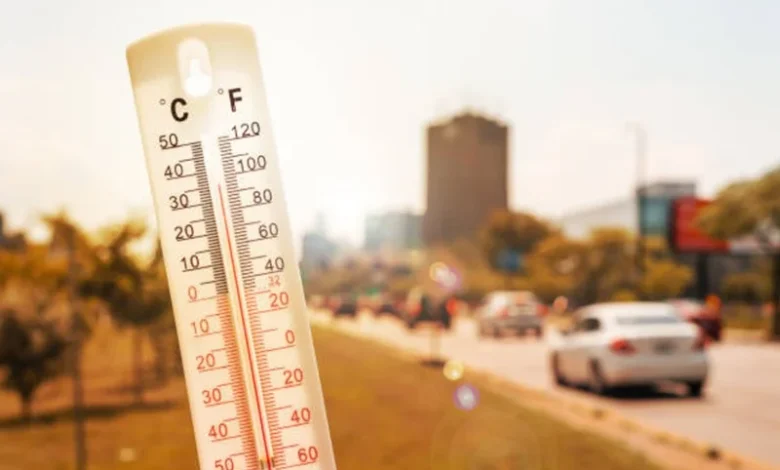
If you have ever alighted from a bus in the city center and felt a wall of heat hit you, then you already understand the urban heat island effect. Cities from Manila to Lagos to São Paulo can be 5 to 7 degrees Celsius hotter than the farmland just outside their borders, and the gap is growing as populations expand.
Why cities are hotter than the countryside
Soil, crops, and trees: these cover the countryside, absorbing sunlight slowly and giving out heat slowly. Cities are clad with asphalt, concrete and glass that soak up heat all day and radiate it well into the night. Add in exhaust from vehicles, air conditioning units pumping hot air onto streets and high-rise buildings blocking cooling breezes, and you get what scientists call an urban heat island. But unlike a heatwave, which will eventually pass, this trapped heat is permanent in city life.
Who feels it most?
Heat doesn’t affect everyone the same. The weight falls most heavily on street vendors, delivery riders, construction workers and anyone else without reliable air conditioning. In many low-income neighborhoods, houses are made of tin or thin concrete with little insulation and few trees nearby, so temperatures indoors can be worse than outdoors. This is not just a comfort aspect. Prolonged exposure to heat increases the risk of heat exhaustion, dehydration and lost working hours, with the worst impact on daily wage earners.
Green spaces cool cities down
Parks, street trees, rooftop gardens, and even small pocket gardens work like natural air conditioners. Trees provide shade, and plants cool their surroundings by releasing moisture into the air through a process called evapotranspiration, much like sweat cools the skin. Studies from cities such as Singapore and Melbourne have found that neighborhoods with more tree cover can be several degrees cooler than neighboring areas with little vegetation. That’s why urban planners are increasingly thinking of green spaces as essential infrastructure, not decoration.
Simple Things Citizens Can Do
No government budget needed to start cooling your own street. Here are some steps to consider:
•Plant a tree or a few shrubs in any spare patch of earth, courtyard or balcony.
•Reflect heat, do not absorb it, by painting roofs a light color.
•Support or participate in community tree planting events organized by local councils or NGOs.
•Support for shaded bus stops and market areas in local ward meetings.
•Check the National Weather Service or app’s heat advisories daily before working outside.
•Share water and rest breaks with outdoor workers during the hottest part of the afternoon.
What cities and governments are doing
Many city governments have urban greening schemes, tree-planting subsidies or “cool roof” programs, often announced on city hall websites or local radio stations. Where they do exist, residents can usually get free saplings or apply for small grants to green shared spaces. Checking with your local municipal or barangay-level office is one of the fastest ways to find out what support is available in your area.
Recap
Urban heat is not just bad weather; it is a design problem. Green spaces can help fix it. And every tree planted, every patch of shade created, chips away at the heat trapped in concrete and asphalt. Start on your street today because a cooler city starts one green corner at a time.
Beat the Heat With These Reads!
Why Are Warm Nights More Dangerous?
Discover why hot nights can pose greater health risks than scorching days.
Which Delhi Areas Feel The Hottest?
Find out why some neighbourhoods are far hotter than others.
Why Does India Top Heat Rankings?
Uncover the data behind India’s hottest cities and rising temperatures.
Why Is Mumbai Getting Hotter?
Explore how urban heat islands are driving Mumbai’s rising temperatures.
Which NYC Areas Stay Hottest Nights?
Browse the neighborhoods where nighttime urban heat lingers the longest.