In 2023, Mumbai has much higher temperatures during the day and at night than ever before. Historically, Mumbai’s proximity to the sea has created a buffering effect for heat, while data patterns indicate there are now longer durations of high temperature, increased nighttime temperatures and less cooling relief from the daytime temperatures; Mumbai heat island effect 2026 the trend generally is that there will be higher peak and longer duration of heat.
Even at times when temperatures are somewhat cooler than the areas located inland to Mumbai, the combination of high level of humidity and sustained years of high temperature coupled to the physical features of Mumbai, combine to produce conditions that are perceived to be much hotter than the actual temperature would indicate.
The Urban Heat Island Effect in Mumbai
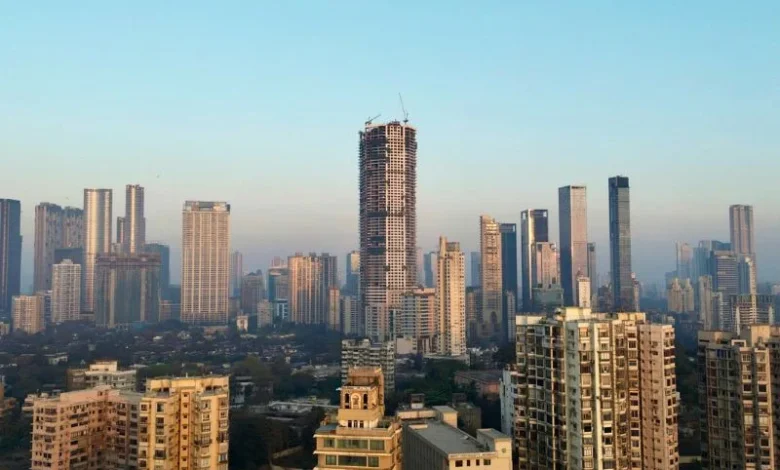
The Urban Heat Island Effect is the primary reason for heat rising within Mumbai to an extremely high level. The development of building infrastructure in Mumbai in the past few years will continue to produce additional heat as more concrete, asphalt and glass are placed on the ground surface and the buildings will all absorb heat during the daytime and release this heat back to the atmosphere at a slower rate during the nighttime.
There are several lower-density urban areas within the city of Mumbai (i.e. Bandra-Kurla Complex, Lower Parel and Andheri East) where major concentrations of heat-producing conditions exist. These areas traditionally do not have a lot of green space, experience high volumes of vehicular traffic and have a heavy concentration of buildings—all of which contribute to trapping heat and increasing the temperature of their immediate area.
At night, these heat-producing areas and conditions maintain their radiant heat from the day and, therefore, do not cool off as they should be cooling down, thus they provide a high level of heat stress.
Why the Problem Is Getting Worse
There are numerous reasons for the increasing temperatures in Mumbai in 2026. Urbanisation has dramatically reduced green areas and mangroves contributing to temperature regulation, some of which have been replaced by construction activities and paved surface areas providing additional heat retention, and are exacerbated by traffic and other sources of pollution.
Furthermore, climate change is also raising the baseline temperature; thus, by the time summer begins, the city will have a higher temperature than it would otherwise have had. The additional humidity makes small rises in temperature seem significantly more impactful than they would otherwise.
Consequently, Mumbai is a city that retains heat more quickly and dissipates it more slowly than before, particularly in the densely populated areas.
Smarter Living Tips for Climate, Comfort & Sustainability
Which LA Areas Are Climate Safe?
Discover the safest and riskiest zones in Los Angeles for climate impact.
How Much To Cool Sydney Home?
Explore the full cost breakdown of cooling a home in Sydney today.
Why Does Indoor Air Quality Matter?
Check how indoor plants improve air and boost healthier living spaces.
What Are Benefits Of Regenerative Farming?
Explore proven advantages and warnings about greenwashing in agriculture.
Which Curtains Keep Delhi Homes Cooler?
Discover the best curtains and shades to reduce heat in Delhi homes.
Final Words
Rising temperatures in Mumbai are not just an issue of extreme weather but also one of an urban design issue that requires a new approach in re-thinking the materials and methods used to build and cool buildings and connect them together. If we do nothing, then the distance between the comfortable climate in Mumbai and the uncomfortable climate in Mumbai will continue to grow.
FAQs
1. What is the reason for Mumbai being hotter even if it does not experience extreme temperatures?
Humidity and retained heat contribute to discomfort in Mumbai.
2. Where can we find the hottest places in Mumbai?
Commercially dense areas such as Bandra-Kurla Complex and Lower Parel are the hottest.
3. What is the main cause of rising heat?
Urban heat island effect combined with climate change.
4. Can Mumbai reduce heat levels?
Yes, through more green cover, better urban design, and reduced heat-retaining surfaces.