
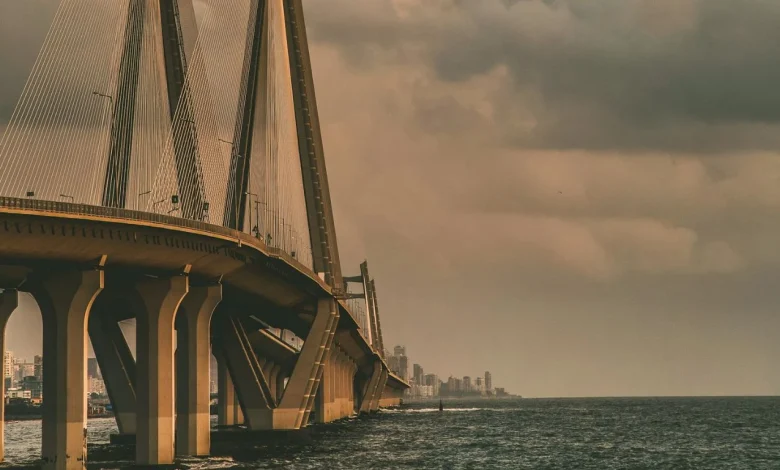
Urban Heat Islands (UHIs) are a result of human-made built surfaces — concrete, asphalt and glass — storing solar energy during the day and releasing it at night; this keeps surrounding air temperatures in the vicinity higher than elsewhere in the city. In Mumbai, Mumbai urban heat island areas factors such as high population density, little tree cover in some areas, traffic emissions and humidity from the ocean slow down the temperature drop at night creating significantly higher nighttime temperatures. Additionally, minor variations in the amount of shade, natural airflow and what materials are used to build have a dramatic impact on how different neighbourhoods can feel.
Hotter vs Cooler Zones (Area-Wise Differences)
The hottest areas are typically those with higher population density; they also tend to be located in and around commercial or industrial centres (e.g., Bandra-Kurla Complex), which is usually characterized by heavy vehicular traffic, high-density development and few to no open spaces. In addition, high-density neighbourhoods such as Andheri East, Kurla and Lower Parel will often register higher daytime peak temperatures, as well as warmer nighttime air temperatures, due to the greater number of glass-facade buildings and more paved surfaces, in addition to the continuous activity throughout the area.
Moderately hot areas (e.g. Ghatkopar, Chembur) are mixed-use (residential and commercial), and generally experience average air temperatures. Moderately hot areas can have some trees/shade and adequate spacing between buildings, but do not offset the density of the area.
Cool areas are generally located near the ocean, have a large expanse of mangroves or a large expanse of green open space. For example, Colaba, planned developments in Navi Mumbai and around Sanjay Gandhi National Park tend to experience lower peak temperatures than other areas of the city, and are generally cooler at night because of the sea breezes, vegetation and greater airflow.
Why Temperatures Differ Across Neighbourhoods
Area-wise temperature gaps come down to surface materials, layout, and ecology. Dense high-rises can trap heat and block wind corridors, while wide roads and parking lots radiate stored heat after sunset. In contrast, trees, wetlands, and open grounds provide shading and evapotranspiration, which cool the air. Coastal exposure introduces sea-breeze circulation, moderating heat in some southern and western stretches, whereas inland, built-up zones retain warmth longer into the night.
More Stories You Shouldn’t Miss
Which Hyderabad areas face worst heat?
Check the neighborhoods most vulnerable during extreme heatwaves in the city.
Which Indian cities face extreme heat?
Discover the regions across India at highest risk from rising temperatures.
Is major weather shift coming April?
Explore how upcoming weather changes could impact temperatures across India.
Which cities face climate risk 2026?
Check the urban areas under immediate environmental threat this year.
Why Chennai preparing early for heat?
Discover how Chennai is tackling rising temperatures and health risks early.
Final Words
Mumbai’s heat is not uniform—it varies block by block. Managing UHIs will require design choices at the neighbourhood level: more shade, more permeable surfaces, and protection of mangroves and open spaces. Without these, the gap between hotter and cooler zones will continue to widen as the city densifies.
FAQs
1. Which parts of Mumbai are the hottest?
Business and transit centre/service hubs like the Bandra-Kurla Complex, Andheri East, and Lower Parel.
2. Why are coastal regions cooler than areas farther from the coast?
The main reason is the impact of sea breezes and airflow on reducing the temperature of the air immediately around the coast.
3. Is it true that vegetation will help to reduce temperatures?
Yes, trees and plants reduce surface temperature and thereby lower the temperature of their immediate surroundings.
4. How can urban heat island effects be reduced?
Yes. Urban heat island effects can be reduced through the increased use of trees for shade, more reflective building materials, creating more permeable surfaces, and a thoughtful approach to urban design.