

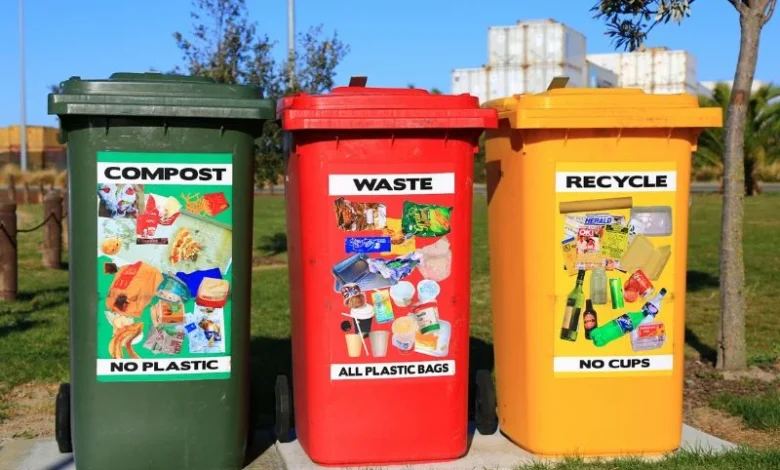
Los Angeles produces over 21 million tons of garbage each year, and the total amount is based on the population density, level of commercial activity and the relative affluence of the area. While residential garbage makes up a significant part of the total waste generated, many commercial and construction activities also contribute a significant amount to the overall total. Los Angeles waste generation by area Statistics indicate that residential populations with a higher density and higher consumption of goods create more total waste on a per-person basis while industrial or warehouse districts create large amounts of bulk garbage and specialized waste streams.
A look at waste generation within Los Angeles by area shows that there is a significant difference in waste generated from one part of Los Angeles to another.
Area-Wise Waste Generation Insights
Different parts of Los Angeles show clear variation in waste output.
High Waste-Generating Areas
The generating information for high waste-producing areas of Los Angeles shows that residential and commercial neighborhoods are heavily impacted by commercial activities, tourism and the higher level of consumption. Common examples of this are the Downtown Los Angeles, Hollywood and Beverly Hills neighborhoods, which produce large volumes of daily waste due to the combined effect of restaurants, commercial offices and retail establishments.
Moderate Waste Zones
Looking into areas with moderate levels of waste generation, such as many parts of the San Fernando Valley, it can be seen that households generally create a moderate but steady level of waste and that the overall amount of municipal solid waste that is generated in these areas can be affected by the extent to which residents participate in recycling.
Industrial & Special Waste Areas
Within the communities surrounding the, Port of Los Angeles and the areas defined as commercial manufacturing and processing, large volumes of bulk wastes are created, including packaging materials and construction debris, and while the residential communities in those areas may create less garbage than other residential neighborhoods, the large volume of total city waste created by these areas is very high.
Stay Ahead with Sustainable Trends
1. How India Achieves Eco-Friendly Rural Growth?
Explore how sustainable practices are transforming rural India while adapting to economic changes.
2. Why Is Copenhagen the Most Sustainable City?
Discover what makes Copenhagen a global leader in urban sustainability and green living.
3. Why Is ASUS Among Top Sustainable Corporations?
Check how ASUS earned its place among the world’s most eco-conscious companies in 2026.
4. How Can Sustainable Living Improve Your Health?
Explore simple lifestyle changes that boost personal health while protecting the planet.
5. Why Does Kenya’s Green Belt Movement Inspire?
Discover how this movement continues to drive global reforestation and environmental awareness.
What the Data Reveals
How much waste is generated by Los Angeles depends on people’s lifestyles, how they use land and what types of businesses are located within those areas. Waste generation is often greater per capita in higher income and commercial districts. Waste generated by industries can be larger quantities than in residential areas and there will be less waste sent to landfills in those districts that have strong recycling programs and greater awareness of waste generation, even when those districts consume more than average.
The data teaches us that waste generation is not only about the total amount of waste generated by an area, but also about the total amount of waste managed effectively and properly, separated and to a lesser degree recycled, in different areas of the city.
Final Words
Waste generation will vary greatly based on the area’s characteristics and the way that individuals live, work, and consume within those areas. By being able to identify and analyze patterns of waste generation will allow for the creation of better waste management systems throughout Los Angeles, and will enable more efficient use of resources in terms of waste reduction; it is not only about producing less waste, but rather producing more efficiently.
FAQs
1. What neighborhoods in Los Angeles generate the greatest amounts of waste?
Commercial and higher density areas, such as downtown Los Angeles, Hollywood and commercial hubs.
2. Do residential neighborhoods generate lower amounts of waste than other neighborhoods?
Generally yes, however, the total amount generated depends on the population density in that area.
3. What types of waste are generated in very large quantities in industrial areas?
Bulk waste like packing materials, construction debris, and industrial materials are generated in very large quantities.
4. Is recycling successful in the City of Los Angeles?
Yes. However, it varies greatly depending on the area and how much participation occurs from the public.