Waste Management in Mumbai: Area-Wise System Explained
Explore Mumbai’s waste management system by area, key challenges, landfill issues, and how BMC handles 7,000 metric tons of daily waste.

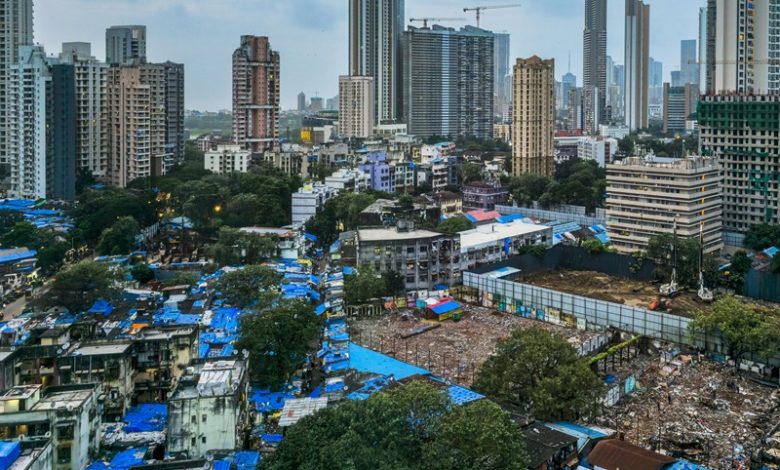
Mumbai produces around 6,000 to 7,000 metric tons of waste every day, which is handled primarily by the Brihanmumbai Municipal Corporation (BMC) in the major cities of Mumbai. Waste is collected using a series of processes; shallow to deep collection, classification based on moisture level, transport from the collection point to either a processing centre or landfill site.
Although there is a system for waste collection throughout Mumbai, each area will have varying success based on the waste collection infrastructure, the density of the population in the area, and the local government’s capability to manage the waste collected. In some areas there are good levels of waste segregation and decentralised waste processing; however, many areas will only collect and dispose of waste to landfill sites.
Area-Wise Waste Management Performance
South Mumbai (Colaba, Churchgate, Marine Lines)
These areas are usually more efficiently managed due to having good infrastructure infrastructure and a low density of population (in comparison with North Mumbai). As a result, there is often greater compliance with segregation of waste and higher reliability of waste collection.
Western Suburbs (Andheri, Borivali, Malad)
This area has uncertain performance. In some of the gated community developments, the successful use of composting gives the communities greater self-sufficiency and waste management. However, dense areas often struggle with both segregation of waste and reliable waste collection.
Eastern Suburbs (Ghatkopar, Chembur, Mulund)
The overlap of industrial and residential waste can be found in these suburbs. While the operation of waste management systems is apparent, there are also a number of areas suffering from dumping and poor segregation of waste.
Dharavi & Influx of Informal Settlements
The high density of population in Dharavi along with the limited quantity of infrastructure results in many challenges to the management of waste. Although there are many informal networks for recycling, there is still a significant deficiency regarding waste collection and sanitation.
Key Challenges Across the City
Mumbai faces many challenges related to its solid waste management system, despite an organized approach. The following factors contribute significantly to the problems:
- Large landfills (Deonar & Kanjurmarg) are relied upon too heavily
- Source segregation has been reduced
- There are not enough areas to decentralize waste processing
- Waste generation rates are extremely high due to the density of the city
- Informal settlements have extremely poor, nonexistent infrastructure
Although composting initiatives, recycling initiatives, and waste-to-energy projects have all made strides in Mumbai, the implementation of these programs has been significantly different throughout the city.
Stay Ahead with Sustainable Trends
1. How India Achieves Eco-Friendly Rural Growth?
Explore how sustainable practices are transforming rural India while adapting to economic changes.
2. Why Is Copenhagen the Most Sustainable City?
Discover what makes Copenhagen a global leader in urban sustainability and green living.
3. Why Is ASUS Among Top Sustainable Corporations?
Check how ASUS earned its place among the world’s most eco-conscious companies in 2026.
4. How Can Sustainable Living Improve Your Health?
Explore simple lifestyle changes that boost personal health while protecting the planet.
5. Why Does Kenya’s Green Belt Movement Inspire?
Discover how this movement continues to drive global reforestation and environmental awareness.
Final Words
Mumbai’s current solid waste management system cannot be classified as an efficient, uniform system, it consists of a myriad of different methods that are inconsistently applied. Mumbai has an established framework, but will be able to make significant improvements that will be consistent across the city, through the development of decentralised solutions, improved source segregation and general consistency in the execution of solid waste management practices.
FAQs
1. Who manages Mumbai’s waste?
Brihanmumbai Municipal Corporation (BMC) manages Mumbai’s waste.
2. Which areas manage waste well?
South Mumbai and established residential societies have more efficient waste management practices than other parts of the city.
3. What are the two biggest challenges to Mumbai’s waste management system?
Reliance on dirty landfills and sorting of waste before disposal.
4. Is there improvement in Mumbai’s waste management system?
Yes, but there are also areas of continued disorganisation and inconsistency.