IMD Heatwave Warning 2026: How Much Water Should You Actually Drink in 40°C+ Temperatures?
IMD heatwave warning 2026: Learn how much water to drink in 40°C+ temperatures, dehydration signs, hydration tips, and electrolyte advice.

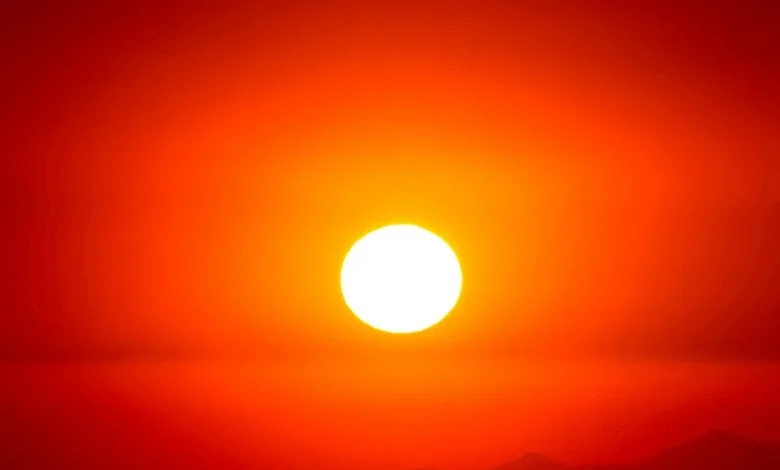
As temperatures continue crossing 40°C to 45°C across several parts of India, one question is becoming increasingly common: how much water should you actually drink during a severe heatwave?
While most people know hydration is important, experts say many Indians either drink too little water during extreme heat or wait until they feel thirsty—a mistake that can increase the risk of dehydration, heat exhaustion, and heatstroke.
With the India Meteorological Department (IMD) continuing to issue heatwave alerts in several states, understanding proper hydration is now a critical health precaution.
Why Hydration Matters More During Heatwaves
Your body constantly loses water through:
- Sweating
- Breathing
- Physical activity
- Normal body functions
During 40°C+ temperatures, sweat production increases significantly as the body tries to cool itself.
Without adequate fluid replacement, this can lead to:
- Dehydration
- Fatigue
- Headaches
- Dizziness
- Muscle cramps
- Heatstroke
So, How Much Water Should You Drink?
There is no single amount that works for everyone because hydration needs depend on:
- Age
- Body weight
- Physical activity
- Outdoor exposure
- Health conditions
- Humidity levels
However, during severe heatwaves, many health experts recommend increasing fluid intake beyond normal daily consumption and drinking water consistently throughout the day rather than consuming large amounts at once.
People working outdoors, exercising, or travelling in extreme heat typically require substantially more fluids than those staying indoors.
Don’t Wait Until You’re Thirsty
One of the biggest hydration mistakes is relying only on thirst.
By the time you feel thirsty:
- Your body may already be mildly dehydrated
- Physical performance may decline
- Heat stress may increase
Experts recommend drinking water regularly throughout the day, especially during heatwave conditions.
What Are the Signs of Dehydration?
Common warning signs include:
- Dry mouth
- Dark yellow urine
- Dizziness
- Headache
- Weakness
- Fatigue
- Muscle cramps
If symptoms worsen, immediate cooling and medical attention may become necessary.
Are Electrolytes Important Too?
Yes.
During heavy sweating, the body loses not only water but also important minerals such as:
- Sodium
- Potassium
- Magnesium
This is why experts often recommend:
- ORS solutions
- Coconut water
- Buttermilk
- Lemon water with salt
- Other electrolyte-rich drinks
for people exposed to prolonged heat.
Which Drinks Should You Limit?
Some beverages may contribute to dehydration if consumed excessively.
These include:
- Sugary soft drinks
- Excess alcohol
- Highly caffeinated beverages
Water remains the most reliable hydration source during extreme heat.
Hydration Tips for Children and Elderly People
Children and senior citizens face a higher risk of dehydration because their bodies may not regulate temperature as effectively.
Families should ensure they:
- Drink fluids regularly
- Avoid prolonged afternoon exposure
- Stay in shaded or ventilated spaces
- Watch for signs of heat stress
What About Outdoor Workers?
People working in construction, delivery services, farming, and other outdoor occupations require extra hydration because of continuous exposure to heat.
Experts recommend:
- Frequent water breaks
- Rest periods in shade
- Electrolyte replacement when sweating heavily
- Avoiding unnecessary exertion during peak afternoon hours
Why Humidity Makes Things Worse
High humidity reduces the body’s ability to cool itself through sweat evaporation.
This means people may lose large amounts of water while feeling little cooling relief, increasing dehydration risk even further.
India Rain Alerts, Cyclone Updates & Monsoon Watch
Explore Bay of Bengal low pressure update?
Discover coastal cities expecting heavy rain tonight.
Check Assam Meghalaya dangerous road routes?
Explore areas affected by heavy rainfall and alerts.
Discover Srinagar Shimla thunderstorm travel safety?
Check whether hill station travel is advisable this week.
Explore India monsoon arrival rainfall forecast?
Discover expected rain trends for Mumbai and North India.
Check Delhi airport delays sudden rainstorms?
Explore why storms are disrupting flight schedules.
Final Words
During India’s 2026 heatwave season, proper hydration is one of the simplest and most effective ways to protect yourself from heat-related illness.
Rather than focusing on a fixed number of glasses per day, experts recommend drinking water consistently, increasing intake during outdoor activity, and paying attention to dehydration warning signs. In 40°C+ temperatures, staying hydrated is not just about comfort—it can be a crucial health and safety measure.
FAQs
How much water should I drink during a heatwave?
Hydration needs vary by person, but fluid intake generally needs to increase during extreme heat and outdoor activity.
Is thirst a reliable indicator of dehydration?
Not always. Mild dehydration may begin before you feel thirsty.
Are electrolyte drinks better than water?
Water should remain the primary source of hydration, but electrolyte drinks can help replace minerals lost through heavy sweating.
Who is most at risk during heatwaves?
Children, elderly individuals, outdoor workers, and people with certain medical conditions are particularly vulnerable.
What is the first sign of dehydration?
Dry mouth, dark urine, headache, dizziness, and fatigue are common early warning signs.