Bay of Bengal Low Pressure Update: New Cyclonic Path Revealed: Which Coastal Cities Should Prepare for Heavy Rain Tonight
Bay of Bengal low pressure system may trigger heavy rain in Odisha, Andhra Pradesh, West Bengal, and Chennai tonight. Check affected cities.

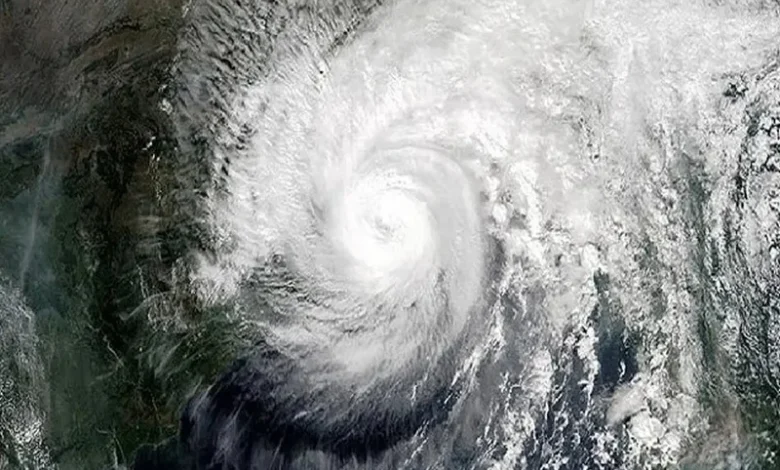
Recent meteorological data indicates that the Bay of Bengal region is experiencing increased weather activity, due to a developing low pressure weather system that is continuing to intensify and this is raising alarm about heavy rainfall and additional storm activity in many eastern Indian coastal regions. Meteorologists will continue to monitor this inclement weather system as more recent projections show substantial cyclonic movement from the flat low pressure system across all areas along the eastern coastline of India for the next 24-48 hours. As a result of the moisture from these areas, it is anticipated that there will continue to be widespread areas of severe thunderstorms across the areas impacted by these high moisture conditions.
What Is Happening in the Bay of Bengal?
A low-pressure system forming in the central and southern Bay of Bengal continues to develop due to numerous meteorological factors that are favourable for development such as: warm water temperatures, substantial amounts of moisture in the atmosphere, and supportive wind circulation as the system develops.
Which Coastal Cities Could See Heavy Rain Tonight?
These locations and the specific geographic area and locations identified that may be impacted by the heavy rain and thunderstorm activity forecasted today are:
- Visakhapatnam
- Kakinada
- Puri
- Bhubaneswar
- Kolkata
- Paradip
- Chennai in isolated areas
Could This Become a Cyclone?
The system is still classified as a low-pressure zone, but we continue to assess if it becomes either a tropical depression or a cyclonic system in the next few days.
Rapid intensification is common in the Bay of Bengal at this time of year during pre-monsoon and transition into monsoon months. It is common for meteorologists to monitor satellite imagery and sea conditions to assess trends for systems forming in the Bay of Bengal.
You Might Also Like
Which Hyderabad areas face worst heat?
Check the neighborhoods most vulnerable during extreme heatwaves in the city.
Which Indian cities face extreme heat?
Discover the regions across India at highest risk from rising temperatures.
Is major weather shift coming April?
Explore how upcoming weather changes could impact temperatures across India.
Which cities face climate risk 2026?
Check the urban areas under immediate environmental threat this year.
Why Chennai preparing early for heat?
Discover how Chennai is tackling rising temperatures and health risks early.
Final Words
As we progress through the monitoring phase of this weather system, we anticipate havy periods of rain, rough seas, and local disruptions to other areas of the eastern India region overnight. Citizens in at-risk coastal regions are being asked to stay informed via IMD advisories about possible flooding and to delay travel during extreme weather.
FAQs
1. What does a low-frequency area mean?
Low-frequency areas refer to areas that have been trained or trained in low-speed winds, as a result of which they produce a low-frequency weather forecast; in turn, this creates cloud cover and rain.
2. What states could see heavy amounts of rain?
Heavy amounts of rainfall could occur in Odisha, Andhra Pradesh, West Bengal and parts of Tamil Nadu.
3. Is the system officially a cyclone yet?
No, not at this time! Currently the system is classified as a low pressure area, with future track to intensity will depend on the surrounding conditions.
4. Should fishermen avoid the sea?
Yes. Authorities are warning fishermen against venturing into rough sea areas due to dangerous conditions.