Tired of High Electric Bills? 5 Things to Check Before Installing Rooftop Solar Panels at Home
Planning rooftop solar panels? Check roof suitability, electricity usage, net metering, panel quality, and installation costs before investing.

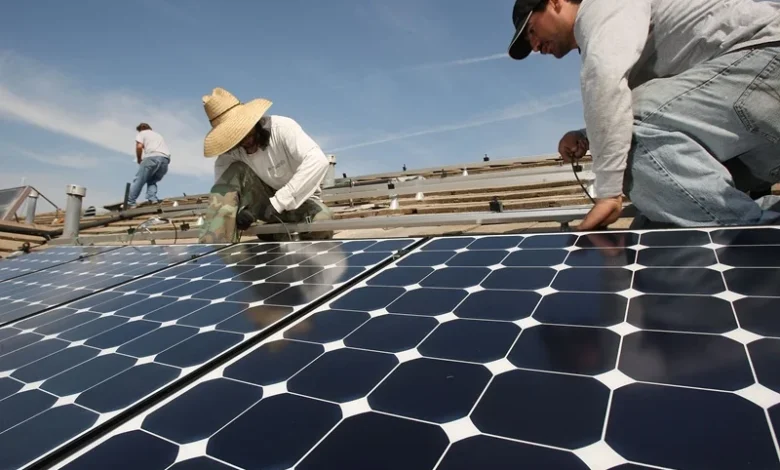
With electricity costs continuing to rise, many homeowners are turning to rooftop solar panels as a long-term solution for reducing monthly power bills. While solar energy can offer substantial savings, experts say that installing a system without proper planning may lead to lower-than-expected benefits.
Before investing in rooftop solar, here are five important factors every homeowner should check.
1. Is Your Roof Suitable for Solar Panels?
The first thing to assess is whether your roof receives adequate sunlight throughout the day.
Check for:
- Large trees causing shade
- Nearby buildings blocking sunlight
- Roof damage or leaks
- Sufficient installation space
Solar panels perform best when exposed to direct sunlight for most of the day.
2. Understand Your Electricity Usage
Review your electricity bills from the past 12 months to understand your average consumption.
This helps determine:
- The ideal system size
- Potential savings
- Payback period
Installing a system that is too small or too large can affect financial returns.
3. Check Net Metering Availability
Net metering allows homeowners to send excess electricity back to the grid and receive credits on their power bills.
Before installation, verify:
- Local net-metering rules
- Utility company requirements
- Connection approval process
This feature can significantly improve overall savings.
4. Compare Panel Quality and Warranties
Not all solar panels offer the same performance or lifespan.
Look for:
- Certified products
- Performance warranties
- Manufacturer reputation
- Installation support
Higher-quality panels may cost more initially but often provide better long-term value.
5. Evaluate Installation and Maintenance Costs
The cheapest quote is not always the best option.
Consider:
- Installation quality
- Inverter specifications
- Maintenance requirements
- After-sales service
A professionally installed system is more likely to operate efficiently for many years.
Read This Next
1. Need A Heatwave Survival Plan?
Explore the essential foods, drinks, and habits that can help you stay safe during extreme temperatures.
2. Living In A Hotter Top Floor?
Discover why upper-floor apartments heat up faster and check practical ways to keep them cooler.
3. Ready For New Solar Rules?
Check the latest solar panel regulations, price changes, and approved options under India’s new mandate.
4. Struggling To Cool Indoor Spaces?
Explore affordable cooling hacks that can make suffocating rooms more comfortable during heatwaves.
5. Can Your EV Earn Money?
Discover how vehicle-to-grid technology lets electric vehicle owners power homes and earn from the grid.
Final Words
Rooftop solar can be an excellent investment for homeowners looking to reduce electricity bills and increase energy independence. However, taking the time to evaluate your roof, energy usage, equipment quality, and local regulations before installation can make a significant difference in long-term performance and savings.
FAQs
How much can rooftop solar reduce electricity bills?
Savings depend on system size, sunlight availability, and household energy consumption.
Does every roof support solar panels?
No. Roof condition, orientation, and shading can affect suitability.
What is net metering?
It allows homeowners to receive credits for excess electricity exported to the grid.
How long do solar panels last?
Most quality solar panels are designed to operate for 20–25 years or more.
Is rooftop solar worth the investment?
For many households with suitable roofs and high electricity usage, solar can provide substantial long-term savings.