10 Cities Around the World Facing Record Heatwaves in 2026
Discover the 10 cities facing record heatwaves in 2026, from Barcelona to Delhi, as extreme temperatures reshape public health and infrastructure.

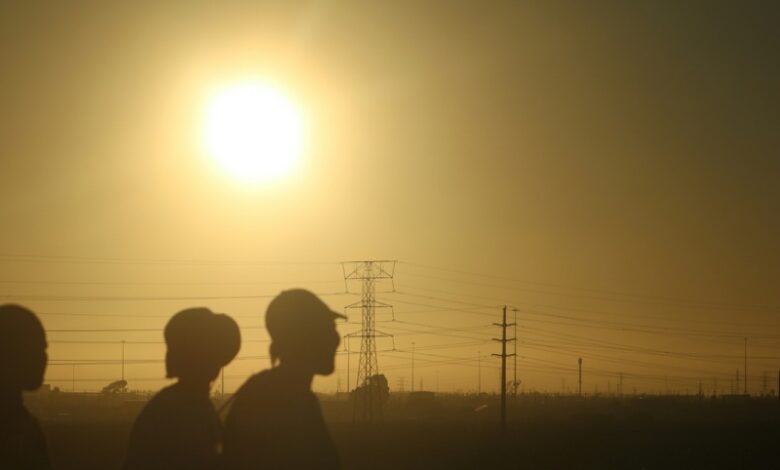
Extreme heat has become one of the defining weather events of 2026. From Europe to South Asia, many cities have experienced record-breaking temperatures, prolonged heatwaves, and growing pressure on public health, transport, and energy systems. Scientists say climate change and unusually warm global temperatures are making these events more frequent and intense.
1. Barcelona, Spain
Barcelona recorded its highest temperature in more than a century, with temperatures exceeding 40°C, prompting heat warnings and public health measures.
2. Madrid, Spain
Madrid experienced multiple days above 40°C, increasing the risk of heat-related illnesses and raising electricity demand for cooling.
3. Paris, France
Paris faced intense heat, with authorities issuing heat alerts and opening cooling centers as temperatures climbed well above seasonal averages.
4. Berlin, Germany
Germany recorded new temperature highs as Berlin and other cities endured one of the country’s most severe June heatwaves.
5. London, United Kingdom
London experienced temperatures in the mid-30s Celsius, leading to health alerts and concerns about transport and power infrastructure.
6. Rome, Italy
Rome saw prolonged hot weather with daytime temperatures remaining well above normal, increasing pressure on healthcare services.
7. Delhi, India
Delhi experienced another intense pre-monsoon heatwave, with temperatures crossing 40°C and heat warnings issued across the region.
8. Prayagraj, India
Prayagraj was among India’s hottest cities during the summer, with temperatures reaching around 44°C, reflecting the severe heat affecting northern India.
9. Etawah, India
Etawah ranked among the world’s hottest cities during May 2026, recording temperatures above 48°C during the peak of the heatwave.
10. Bharatpur, India
Bharatpur experienced persistent extreme heat, with temperatures touching 48°C and many days above 40°C.
Why Are Heatwaves Becoming More Common?
Several factors are contributing to stronger and more frequent heatwaves:
- Rising global temperatures due to climate change.
- Urban heat island effects caused by concrete and asphalt.
- Prolonged high-pressure weather systems.
- Reduced rainfall and dry soil conditions.
- Higher demand for electricity during extreme heat.
Small Changes, Big Impact
Want Food To Last Longer?
Discover simple storage hacks that reduce waste and save money.
Why Sort Waste Properly?
Learn easy waste segregation methods for everyday living.
How Can You Reduce Plastic?
Check out simple ways to support World Environment Day.
How Food Systems Affect Climate?
Dive into how diets and supply chains influence emissions.
Can You Avoid Microplastics Daily?
Find practical ways to reduce exposure through daily habits.
Conclusion
The heatwaves of 2026 highlight how cities across Europe and Asia are becoming increasingly vulnerable to extreme temperatures. Governments are expanding heat action plans, cooling centers, and public warning systems, but experts warn that long-term climate adaptation will be essential as record-breaking heat becomes more common.
FAQs
Q: Which city recorded one of Europe’s highest temperatures in 2026?
A: Barcelona recorded temperatures above 40°C, the highest in more than a century.
Q: Which Indian cities experienced the most extreme heat?
A: Cities such as Etawah, Bharatpur, Delhi, and Prayagraj experienced some of the highest temperatures during the 2026 heatwave.
Q: Why are heatwaves becoming more frequent?
A: Scientists attribute the trend mainly to climate change, rising global temperatures, and urbanization.
Q: How do cities respond to extreme heat?
A: Common measures include issuing heat alerts, opening cooling centers, restricting outdoor activities, and strengthening emergency health services.