
Global Heatwave Crisis 2026: 10 Countries Facing Record-Breaking Temperatures and What Comes Next

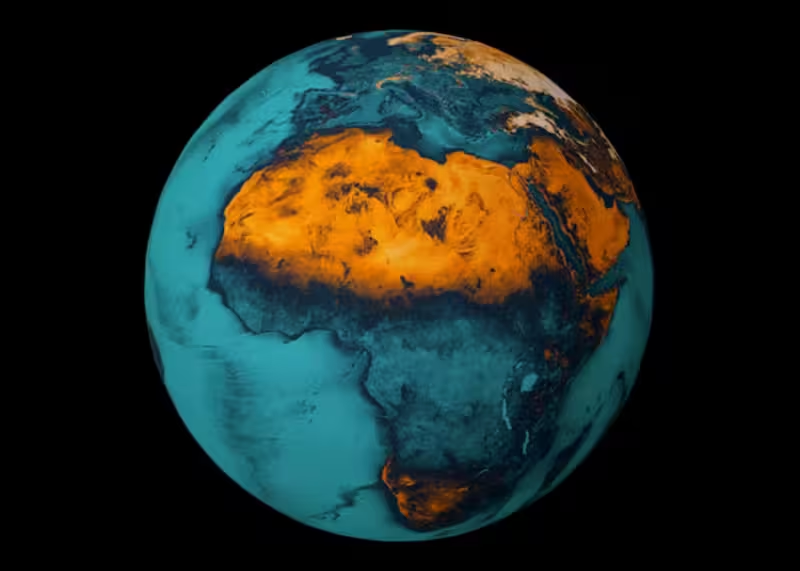
Extreme heat has become one of the defining weather events of 2026. Across Europe, Asia, North America, and the Middle East, countries are experiencing record-breaking temperatures, longer heatwaves, and growing pressure on healthcare systems, power grids, and water supplies.
1. India
Several states have experienced prolonged heatwaves, with temperatures crossing 45°C in many regions before the monsoon brought partial relief.
2. Pakistan
Extreme temperatures and dry conditions have increased the risk of heat-related illnesses, water shortages, and pressure on electricity supplies.
3. France
France has recorded temperatures above 40°C, prompting the highest heat alerts, opening cooling centers, and restricting some outdoor activities.
4. Germany
Germany has experienced record June temperatures, raising concerns about public health, transport infrastructure, and wildfire risk.
5. Spain
Spain continues to face prolonged heatwaves, with some regions approaching 44°C, increasing the danger of drought and forest fires.
6. Netherlands
Rare red heat warnings have been issued as temperatures climbed to record levels for June.
7. United States
Large parts of the country are experiencing dangerous heat, with soaring heat index values placing millions under heat advisories.
8. China
Several regions have recorded temperatures close to 47°C, affecting agriculture, energy demand, and public health.
9. Italy
Extreme heat has affected tourism, farming, and water resources, while authorities continue issuing health advisories.
10. Greece
Hot, dry weather has increased wildfire risks, prompting emergency preparedness measures across several regions.
Conclusion
The 2026 global heatwave crisis shows that extreme heat is no longer limited to one region. Countries around the world are facing record temperatures that affect public health, transportation, agriculture, and energy systems.
FAQs
Which regions are most affected by heatwaves in 2026?
Europe, South Asia, North America, and parts of East Asia have experienced some of the most intense heat.
Why are heatwaves becoming more common?
Rising global temperatures and changing climate patterns are increasing the frequency and intensity of extreme heat events.
How do heatwaves affect daily life?
They can disrupt transport, increase electricity demand, strain healthcare systems, reduce crop yields, and increase wildfire risk
What should people do during a heatwave?
Stay hydrated, avoid outdoor activities during the hottest part of the day, wear light clothing, and follow local weather advisories.