South Sudan’s UNESCO World Heritage Site Could Become a Lifeline for Migratory Birds

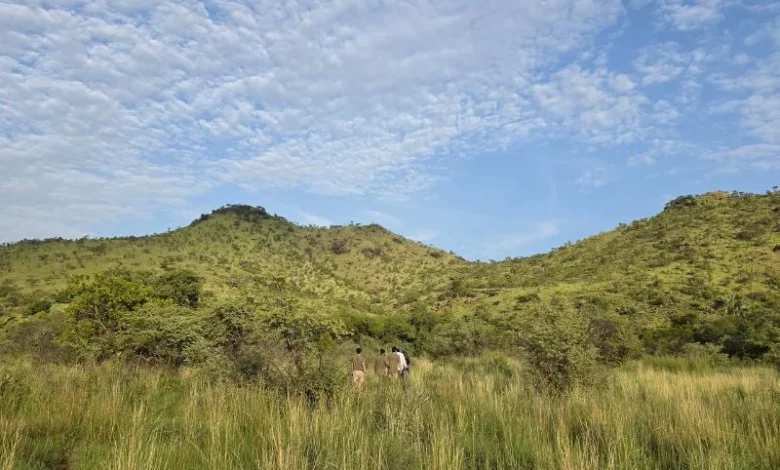
South Sudan’s first ever UNESCO World Heritage listing has made global headlines, mostly for its record-breaking antelope migration. But in this same landscape there’s another story to tell. South Sudan UNESCO site, The Boma-Badingilo Migratory Landscape is also an important stopover for thousands of long-distance birds and this new status could finally grant them the protection they have long been seeking.
What happened and why it matters
The Boma-Badingilo landscape in South Sudan – nearly 30 million acres – was added to the World Heritage List in July 2026 by UNESCO. This huge mix of savannas, floodplains and wetlands already supports what researchers think is the largest overland animal migration on Earth. Conservationists hope the internationally recognised site will attract the funding and attention this young nation has lacked for years.
How This Aids Migratory Birds
While the antelope herds get most of the attention, birdlife depends on this same land just as heavily. Some species, such as the African openbill and Abdim’s stork, use South Sudan as a stopover on their long continental treks, with some travelling over 2,000 kilometres from as far away as Zambia. Scientists still don’t fully understand these migration routes, making habitat protection even more urgent.
•Openbills and storks depend on undisturbed wetlands as staging sites.
•Elsewhere in Africa, habitat loss makes floodplains more critical in South Sudan.
•World heritage status can limit damaging development on the land
The importance of local involvement
Conservation only works when local people are involved. Pastoralist groups have been grazing livestock on these lands for generations, in the vicinity of Boma and Badingilo. She is working with community-based conservation teams who are already engaged in reducing poaching and encouraging sustainable land use and this cooperation will need to increase as tourism and research interest increases.
What Global Readers Can Do to
•Follow trusted conservation groups working in South Sudan for accurate updates.
•Funding support for on the ground ranger and community programs.
•Share verified reporting on the region, not unverified allegations.
•Avoid wildlife tourism that is unregulated and evades local authorities.
A Milestone in Progress
This listing is a beginning, not an end. The South Sudan government has said it is not just an honour but comes with new responsibilities, including stopping illegal settlement and habitat destruction. The real test will be if this recognition translates into lasting on-the-ground protection for the birds that quietly pass through each year.
Conclusion – South Sudan UNESCO site
The Boma-Badingilo Migratory Landscape is a great example that conservation wins are rarely about one species. To protect antelope migration paths, you need to protect the skies above them, where storks and openbills still make an ancient journey that most of the world never sees. This is our real opportunity to turn that global attention into meaningful, sustained change on the ground.
Track the latest climate changes.
Is Your Seafood Becoming Riskier?
Find how El Niño affects ocean pollution.
Why Are Heatwaves Getting Worse?
Check out the link between monsoons and El Niño.
What Happens During Super El Niño?
See the major weather changes ahead.
Could Food Prices Rise Soon?
Uncover how climate affects grocery costs.
How Will Weather Patterns Change?
Get to know this summer’s biggest climate shifts.