
Monsoon vs Super El Niño: Why Your City Is Facing Weak Rains and Extended 45°C Heatwaves This June

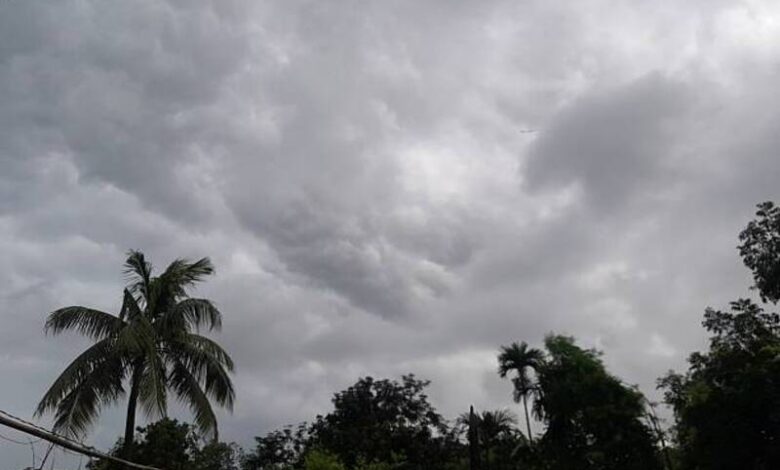
Many parts of India are experiencing a confusing weather pattern this June: delayed or weak monsoon showers combined with prolonged heatwaves and temperatures approaching 45°C. One of the biggest reasons experts are closely monitoring global weather conditions is the potential influence of El Niño, a climate pattern that can disrupt normal rainfall and temperature trends worldwide.
What Is El Niño?
El Niño occurs when sea surface temperatures in the central and eastern Pacific Ocean become unusually warm.
This warming can affect:
- Global weather patterns
- Monsoon strength
- Heatwave intensity
- Rainfall distribution
A particularly strong event is often referred to as a “Super El Niño.”
Why Weak Monsoon Rains Increase Heatwaves
Normally, advancing monsoon clouds help cool land temperatures through rainfall and increased cloud cover.
When rainfall is delayed or below normal:
- More sunlight reaches the ground
- Soil moisture declines
- Hot air builds up faster
- Heatwaves last longer
As a result, cities may experience extended periods of extreme heat.
Heatwave vs Monsoon Effect
Which Areas Are Most Affected?
Regions commonly vulnerable to weak monsoon conditions include:
- Northwest India
- Central India
- Delhi-NCR
- Rajasthan
- Parts of Uttar Pradesh and Haryana
Local weather patterns, however, can vary significantly from one city to another.
What Residents Should Do
During periods of high heat and weak rainfall:
- Stay hydrated
- Limit outdoor activity during peak afternoon hours
- Monitor official weather updates
- Prepare for sudden weather changes as monsoon systems strengthen
Final Words
Weak monsoon conditions and the influence of El Niño can create the perfect environment for prolonged heatwaves and reduced rainfall. While monsoon progress may improve conditions later in the season, many cities can continue experiencing extreme temperatures until widespread rain activity becomes established. Understanding this connection helps explain why some regions remain unusually hot despite the official arrival of the monsoon season.
FAQs
What is El Niño?
A climate pattern caused by unusually warm Pacific Ocean temperatures.
Can El Niño weaken India’s monsoon?
It has historically been associated with weaker or uneven monsoon rainfall in some years.
Why are heatwaves lasting longer?
Delayed rainfall and reduced cloud cover allow land temperatures to remain elevated.
Does weak rainfall always mean drought?
Not necessarily. Rainfall patterns can change later in the season.
Will temperatures fall once the monsoon arrives?
Widespread rainfall generally helps reduce extreme daytime temperatures.