Why Your Seafood Could Carry More Pollution During El Niño Years
Seafood Pollution During El Niño can increase toxin and mercury risks. Learn why it happens, which seafood to choose and key safety tips today.

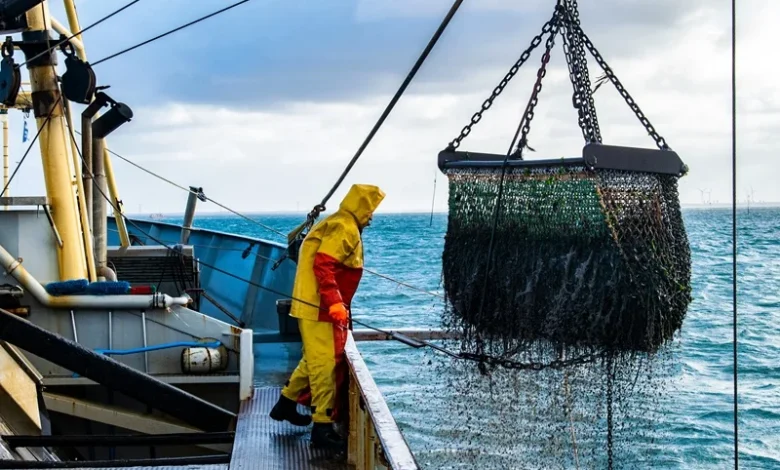
The El Niño is a natural climate pattern that warms parts of the Pacific Ocean and shifts weather around the world every few years. El Niño is well known for causing heatwaves and strange rain, but it has a less well-known side effect: it can boost the amount of pollution found in seafood. Understanding why seafood pollution peaks in El Niño years can help households everywhere make safer choices at the market.
What Happens to the Ocean in El Niño
El Niño is bringing warmer waters to much of the Pacific and beyond. The warming ocean alters how nutrients cycle through the sea and often results in faster algae growth. Some of these algal blooms are harmful and produce natural toxins such as domoic acid, which can accumulate in shellfish, crabs and small fish. Research has shown that warm ocean temperatures are correlated with or precede high levels of domoic acid in shellfish, and these events are clearly linked to El Niño.
Why This is Important for Seafood Pollution
•Warmer water accelerates the proliferation of harmful algal blooms that produce toxins shellfish take up as they eat.
•Biomagnification is a process whereby higher up the food chain, such as larger fish and marine mammals, concentrate even more toxins.
•El Niño’s heavy rains can wash more industrial and agricultural runoff into rivers and coastal waters, adding heavy metals like mercury to the mix.
•Mercury pollution is airborne and ends up in the oceans, where it moves up the food chain, so larger predatory fish like tuna and swordfish tend to have more of it.
Who needs to care?
This isn’t just a concern for coastal fishing communities. Seafood is traded and shipped all over the world, and a spike in a toxin in one region can affect markets, restaurants and home kitchens from afar. The most at-risk communities are coastal and island communities who eat fish caught locally, often without access to lab testing. Families ordering from mobile-first grocery and food delivery apps should also check that their supplier conducts local seafood safety testing, since online listings don’t always reveal where the catch comes from.
Simple Seafood Safety Checklist
•During El Niño periods, check your country’s food safety authority for current seafood advisories or harvest closures.
•Opt for smaller fish like sardines, anchovies and mackerel instead of large predatory fish such as shark, swordfish and big tuna.
•Buy shellfish from licensed, regulated sellers, not informal roadside vendors, during known bloom seasons.
•Eat different types of seafood instead of always eating one species.
•Pregnant women, young children and older adults should be particularly careful with fish high in mercury.
Conclusion
El Niño years mean more than strange weather. They quietly increase the risk of toxins and pollutants in the seafood on your plate, no matter whether you live on the coast or far inland. But by checking local advisories, choosing smaller fish and buying from regulated sources, you can still enjoy seafood safely during these warmer cycles in the ocean. Stay educated, buy wisely, and keep your seafood as clean as it should be.
Stay informed on El Niño impacts.
What Changes With Super El Niño?
Check out the biggest weather shifts ahead.
Could History Repeat This Summer?
Explore past lessons and today’s climate warning.
How Will Weather Patterns Change?
Find the key differences of Super El Niño.
Why Could Food Prices Rise?
Uncover how El Niño affects global markets.
Which Countries Face Higher Risks?
Browse regions expecting droughts, floods and heatwaves.