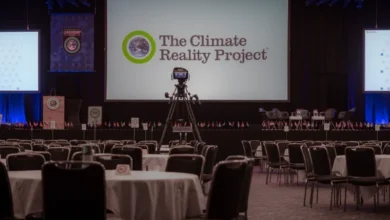
Climate change disinformation spreads rapidly online, but five techniques summarized by the acronym FLICC explain most of it, and knowing these techniques allows one to identify falsehoods.
What Are the Major Climate Change Disinformation Techniques?
FLICC stands for fake experts, logical fallacies, impossible expectations, cherry picking, and conspiracy theories. To determine whether someone is a counterfeit expert, check what type of climate studies the person does as well as what data is being used to prove any point.
How Has AI Changed This Situation?
AI has also made generating fakes easier, so pay attention to the details and adjust your methods of verification, Euronews suggests, indicating that 49% of people in Europe find it hard to tell reliable social media content from the fake one, with 1,000 UK articles fallen victim to fake expert comments.
Does Prebunking Help?
According to the researchers of a systematic review dated 2026 that analyzed 13 studies, pre-bunking is effective in making people less susceptible to climate-related disinformation and in increasing trust in science.Watch for greenwashing in corporate net zero pledges and carbon markets.
Related Reads on Environmental News
What Were 2025’s Worst Disasters?
Review the major environmental disasters of 2025.
Is Extreme Heat a Health Crisis?
See why it is hitting public health worldwide.
What Do Weather Warnings Mean?
Learn how yellow, orange and red weather warnings work.