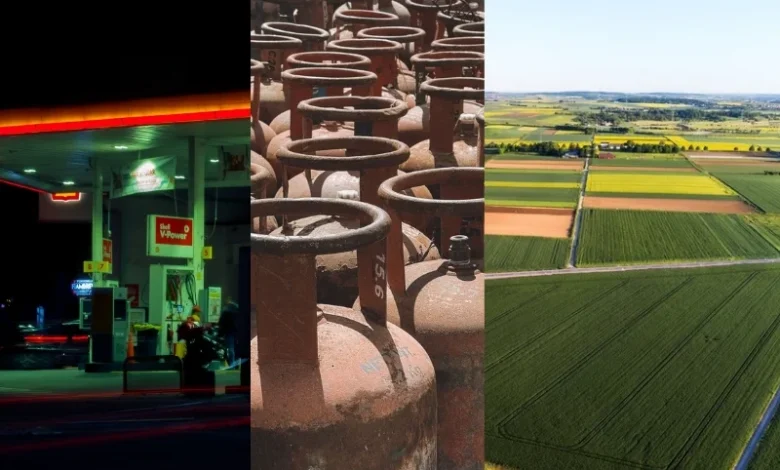
Because natural gas is the key ingredient for nitrogen fertilisation, fertiliser prices and gas prices change in harmony to some extent as around 30% of fertilisers are transported through the Hormuz Strait.
What Do Gas Prices and Fertilisers Have in Common?
Ammonia and urea are produced from natural gas; hence, an increase in the cost of gas prices means an increase in farming costs. The price of urea grew from about $400 in March to more than $850 in April 2026, and in June it again went down to $453, which was reported by the WTO.
How Long Does It Take for Farmers to Feel the Impact of Food Prices?
Farmers experience expenses at the beginning of the sowing season while the harvesting season affects the food prices later on. As of March, the FAO estimated that food prices were 21% lower than in 2022, although a long-term interruption may increase the risks.
Are Fertiliser Prices Higher Than Before?
As of late October, fertiliser prices were above the levels prior to the crisis, with the price of anhydrous ammonia in the USA being 18% higher in comparison to the previous year.
Related Reads
Is Drought Disrupting Trade?
See how the Panama Canal was squeezed.
What Lives Beneath Our Feet?
Discover the soil microbiome and its role in climate.
What Were 2025’s Worst Disasters?
Review the major environmental disasters of 2025.