El Niño Update 2026: Which Countries Face the Highest Risk of Droughts, Floods, and Heatwaves?
Discover which countries face the highest risk of droughts, floods, and heatwaves during El Niño 2026 and how it could impact weather and food supplies.

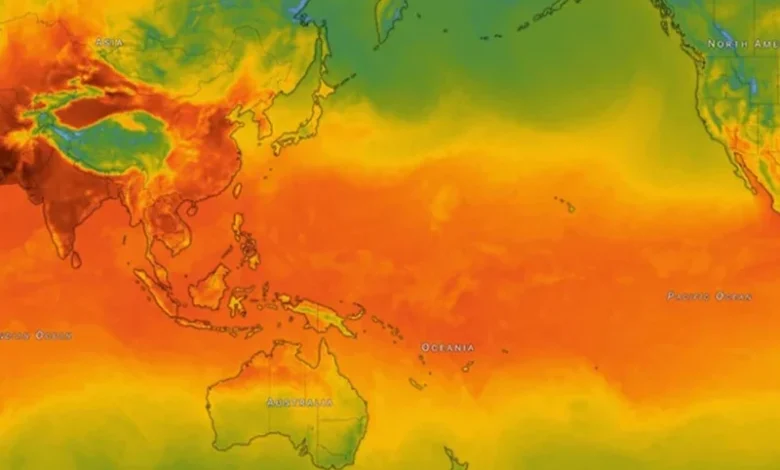
The possibility of a strengthening El Niño in 2026 is raising concerns among meteorologists and climate experts worldwide. El Niño occurs when sea surface temperatures in the central and eastern Pacific Ocean become unusually warm, disrupting global weather patterns and increasing the likelihood of extreme weather events.
While El Niño affects every region differently, history shows that some countries are particularly vulnerable to droughts, floods, and severe heatwaves during strong events.
Countries such as India, Australia, Indonesia, and Philippines often face higher risks of below-normal rainfall, water shortages, and prolonged heat during El Niño years. Reduced rainfall can affect agriculture, reservoirs, and drinking water supplies, creating economic and environmental challenges.
Meanwhile, parts of South America, including Peru and Ecuador, frequently experience the opposite problem. Warmer Pacific waters can trigger unusually heavy rainfall, flash floods, landslides, and damage to infrastructure.
The heatwave threat is also growing across many regions. Countries in South Asia, Southeast Asia, and parts of Africa could experience longer periods of extreme temperatures. Major cities may face increased electricity demand as air-conditioner use rises, placing additional pressure on power grids and increasing the risk of outages during peak summer periods.
Agriculture remains one of the most vulnerable sectors. Delayed rainfall, drought conditions, and extreme heat can reduce crop yields, affecting global food supplies and potentially pushing food prices higher.
Climate scientists caution that El Niño is only one factor influencing weather. Local climate conditions, ocean temperatures, and long-term global warming trends also play important roles in determining the severity of impacts.
As 2026 progresses, governments and emergency agencies across the world are closely monitoring Pacific Ocean conditions. If El Niño continues to strengthen, millions of people may need to prepare for a year marked by unusual weather extremes, ranging from devastating floods to record-breaking heatwaves and persistent droughts.
Stay Prepared With These Essential Guides
Will Your City Handle El Niño?
Explore how rising temperatures and El Niño conditions could strain power grids in major cities worldwide this summer.
Which Host Cities Face Extreme Heat?
Discover the World Cup host cities where soaring temperatures may increase heatstroke risks during outdoor matches.
Ready For The First Monsoon Rain?
Check these essential monsoon preparedness steps every apartment resident should complete before heavy rainfall arrives.
Is Heat Reducing Your EV Range?
Explore the common mistakes that could be damaging your electric vehicle’s battery during extreme summer heat.
Prepared For This Weekend’s Monsoon Checks?
Discover the important apartment maintenance checks that can help prevent costly monsoon-related damage.
FAQs
What is El Niño?
El Niño is a climate pattern caused by unusually warm Pacific Ocean temperatures that influence weather worldwide.
Which countries face the highest drought risk?
India, Australia, Indonesia, and the Philippines are often vulnerable to reduced rainfall during El Niño years.
Which countries may experience flooding?
Peru and Ecuador frequently face heavy rainfall and flooding during strong El Niño events.
Can El Niño cause heatwaves?
Yes. El Niño often increases the likelihood of prolonged and intense heatwaves in many regions.
Could El Niño affect food prices?
Yes. Weather-related disruptions to agriculture can reduce crop production and contribute to higher food prices.