
98% El Niño Probability Confirmed: The Global Cities Facing Immediate Power Grid Inefficiency This Summer
A 98% El Niño probability raises concerns over heatwaves, rising power demand, grid inefficiency, outages, and higher electricity costs worldwide.

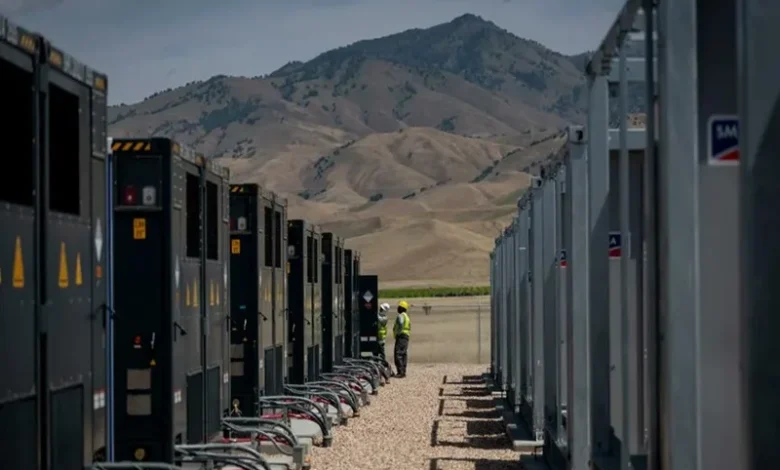
Climatic agencies have observed a notable increase in the probability of an El Niño event forming this year, thereby increasing concerns regarding severe heat, high energy demand, and high-load conditions on global electric utility infrastructures.
Several key countries are experiencing significant increases in heat across many parts of their respective jurisdictions. Many electrical energy experts believe that electric utility energy grids in multiple large urban centers will operate far less efficiently during periods of extended heat.
Why El Niño Affects Power Grids
Any increase in air temperature will result in:
– A very large increase in air conditioning usage,
– A very large increase in electrical energy consumption,
– Greater stress is placed on electricity distribution equipment (transformers),
– Electrical transmission will not be as efficient,
– Electrical generation facilities will have to provide additional cooling to power generation.
What This Means for Consumers
Consumers will typically see:
– Higher electric utility bills,
– Greater wear and tear placed on HVAC systems in buildings,
– Greater likelihood of local utility service outages due to extreme demand conditions, and
– Greater strain placed on emergency electric generation systems.
Final Words
Electricity Networks are preparing for another challenging summer due to the effects of the strengthening El Niño and ongoing high level of global temperature. In addition, cities with existing extreme heat may see increased cooling demand and decreased infrastructure performance at the same time.
FAQs
What is El Nino?
An atmospheric event related with very warm temperatures in the Pacific Ocean, creating worldwide impacts on weather patterns.
Do heat waves pose challenges to power grids?
Heat waves usually bring about increased electrical consumption and reduced efficiency/reliability within electrical distribution networks.
What cities have the most risk?
Large cities experiencing high temperatures; therefore high levels of air conditioning usage, are generally at the greatest risk for aforementioned electrical network issues.
Are solar panels affected by heat?
Yes, extreme heat will negatively affect the performance of solar panels.