UN El Niño Alert 2026: Which Regions Face the Highest Risk of Crop and Water Shortages?

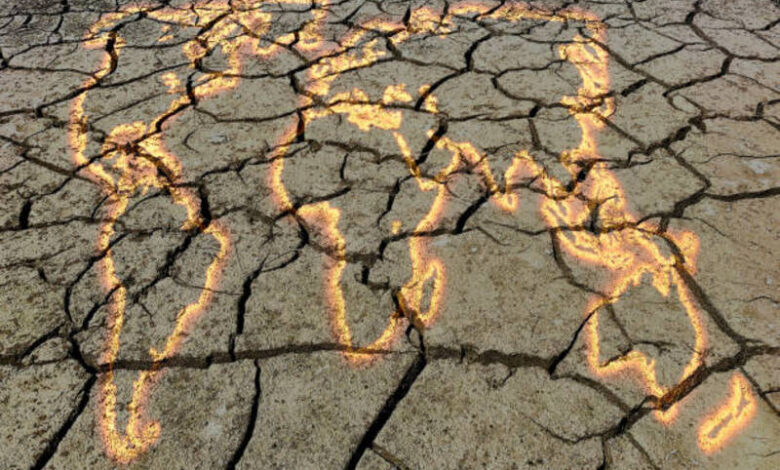
The World Meteorological Organization claims there is an 80% probability of an El Niño event occurring sometime during the next several months. If this happens, then the event will likely last until the end of the year. The El Niño phenomenon disrupts rainfall patterns throughout the world; it increases the chances of drought conditions globally; it can lead to reduced amounts of food grown; and it can provide less fresh water to people around the globe.
1. South Asia
The Indian subcontinent and western Pakistan are both predicted to receive below average amounts of monsoon rains which could lead to decreased reservoir levels and subsequently delay the planting of crops. As a result, the demand for available water supply will be higher than normal.
2. Southeast Asia
In Indonesia, the Philippines, Thailand, and Malaysia, extended periods of drought and arid conditions may occur causing adverse effects on both rice production and palm oil production as well as limiting access to good/drinkable water supplies.
3. Pacific Islands
Papua New Guinea and the organization of other Pacific Island nations are predicted to have a high incidence of drought and food shortages causing reduced levels of water supplies due to insufficient rainfall.
4. Southern Africa
Countries in southern Africa may have lower than average levels of rainfall, which will increase the likelihood of crop failure, livestock loss, and lack of water supply to the population.
5. Central America and the Caribbean
According to the FAO, the Dry Corridor, and countries such as Haiti, the Dominican Republic, Colombia, and Venezuela, are considered to be at risk of higher than normal levels of agricultural drought.
6. Australia
Many agricultural regions may see lower than average levels of rainfall, which will impact the ability to produce wheat, as well as have an impact on livestock.
Conclusion
Widespread effects of 2026’s El Niño will be seen in agricultural production around the globe. These effects occur predominantly in Asia, the Pacific, Africa, the Americas, and Oceania, but may not be limited to just these regions.
FAQs
What is El Niño?
El Niño occurs when ocean temperatures are much warmer than normal in the tropical Pacific Ocean and creates climate change and extreme weather patterns throughout the world.
How does El Niño increase the risk of drought?
One of the ways El Niño creates a drought is by altering rainfall patterns, which in turn creates prolonged periods of dryness and a lack of water.
What crops are most affected by El Niño?
The crops that suffer the most from lack of rainfall are rice, wheat, corn, and other rain-fed crops.
Can El Niño cause floods as well as drought?
Yes; in some regions where there will be drought due to the effects of El Niño, there will be other regions experiencing abnormal amounts of rain and flooding due to the same effects of El Niño.