
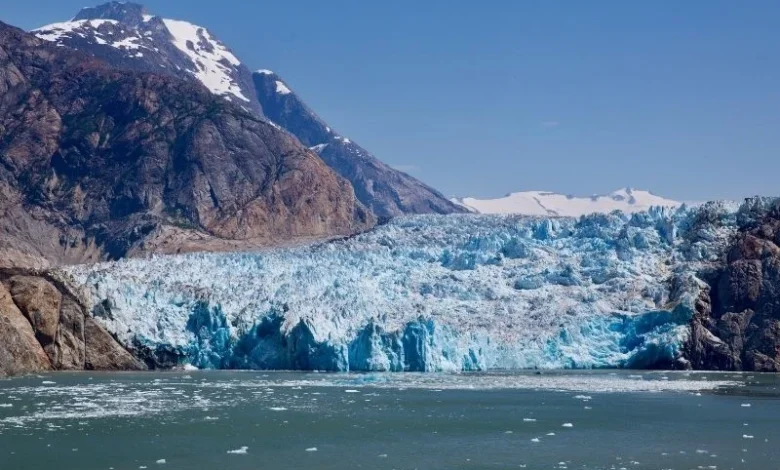
Up in the Himalayas, a barrier lake that formed after a glacier gave way is now threatening thousands of people living on either side of the China-Nepal border. glacier barrier lake, Chinese crews are working nonstop to bring the danger down before the lake bursts, and this comes right on the heels of a flash flood that killed hundreds just days earlier. It’s the kind of story that reaches well past the two countries involved, because melting glaciers and sudden mountain floods are turning into a problem the whole world will have to reckon with.
What’s Going On at the Border
The lake sits close to the Gyirong crossing, which happens to be one of the main links between Tibet and Nepal. Chen Hanxiao, one of the engineers on site, told state media that the cliffs around the lake are steep and isolated, making it hard just to reach the area, let alone work in it. On top of that, light rain hasn’t let up, and it keeps softening the soil and loose rock holding the dam together.
The scale of it is what’s worrying officials. The lake has already taken in more than 2.5 million cubic metres of water, and another 3 million cubic metres is expected to pour in over the next few days. To put that in perspective, that’s close to 1,200 Olympic swimming pools’ worth of water heading into a lake that’s still blocked. Peak flow is expected around September 1, which is when the risk of a breach climbs the highest.
How China Is Handling It
What crews are doing on the ground:
- An eight-person engineering team is running aerial surveys and building 3D models to understand the lake and dam better.
- The main plan is to dig a drainage channel lower down the dam so water can escape in a controlled way.
- Rescue workers and vehicles have already pulled back to safer ground, just in case.
Why It’s Taking So Long
Getting the channel’s width and depth right isn’t something engineers can rush. They have to work out how fast the water is moving and how quickly the lake is filling up, and getting either number wrong could make the flood risk worse instead of better.
Why This Isn’t Just a Local Problem
Nearly 1,000 people are still missing between the two countries, including a large number of foreign travellers who were in the area when the flood hit. This kind of event is becoming less rare. As mountain regions keep warming, glacier outburst floods are showing up more often, and that’s something disaster agencies and governments far from the Himalayas are starting to pay attention to as well.
Final Thoughts – glacier barrier lake
Nobody knows for sure whether the drainage work will be finished in time, and the next few days will likely decide that. But the bigger lesson here isn’t just about one lake in the mountains. It’s a reminder that as the climate shifts, places once considered stable can turn dangerous fast, and staying informed is the least any of us can do.
Track the latest climate changes.
Is Your Seafood Becoming Riskier?
Find how El Niño affects ocean pollution.
Why Are Heatwaves Getting Worse?
Check out the link between monsoons and El Niño.
What Happens During Super El Niño?
See the major weather changes ahead.
Could Food Prices Rise Soon?
Uncover how climate affects grocery costs.
How Will Weather Patterns Change?
Get to know this summer’s biggest climate shifts.