The 1876 Great Famine vs. 2026 Super El Niño: What the New WMO Climate Warning Means for Your Summer Grocery Bills
Compare the 1876 Great Famine and the possible 2026 Super El Niño. Learn how extreme weather may affect crop yields, food supply, and grocery prices.

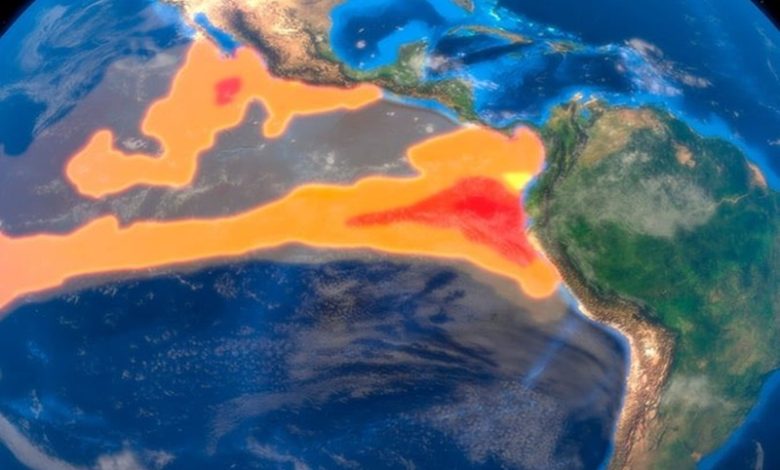
The possibility of an upcoming Super El Niño in 2026 has sparked a renewed interest in discussions regarding one of the most terrible climate-related disasters known in recorded history, the Great Famine of 1876-1878. Today, the world has many more tools available to help fight famine including modern agricultural techniques, irrigation systems, food storage facilities, and global trading networks; however climate-related impacts from strong El Niño’s can still destroy food production globally and affect prices everywhere.
Why El Niño Affects Food Prices
Some of the effects that result from an El Niño event that could change food prices globally are:
- Droughts in some agricultural areas;
- Floods in some agricultural areas;
- Heat waves during ,critical growing seasons;
- Decrease in crop yields;
- Disruption of supply chains.
What Happened in 1876?
The Great Famine of 1876-1878 was a result of agricultural droughts associated with a very strong El Niño event. There were crop failures in many parts of Asia, particularly in India, when irrigation, transportation, and food distribution were not nearly as effective as they are currently.
Explore More Trending News & Expert Guides
Is Kashmir Travel Safe This Week?
Explore weather alerts, landslide-prone routes, travel risks, and emergency contacts before planning your trip.
Which Budget Air Purifier Suits You?
Explore the best-rated affordable air purifiers, key features to compare, and top online buying options.
When Will Delhi Heat Finally Ease?
Discover the latest rain forecast, temperature drop predictions, and when relief from Delhi-NCR’s scorching heat is expected.
Can You Survive Stadium Heat Safely?
Discover essential hydration tips, sun protection measures, and safety rules for outdoor sports events.
Are Summer Temperatures Damaging Your EV?
Check the common heat-related charging mistakes that can affect EV battery life and solar panel performance.
Final Words
A look at the Great Famine of 1876 versus what we might see in 2026 with a possible Super El Niño, tells us something about how climate affects food systems. Today’s greatest risk from climate change will not be the likelihood of widespread famine, but rather a substantial increase in grocery costs, if agricultural production is impacted due to extreme weather events. As we move forward through this 2021 growing season, food prices will rise and fall depending on the health of crop production, changes to how much rain falls, and how global supply chains respond to ongoing changes associated with agriculture and climate change.
FAQs
What was the Great Famine of 1876?
The Great Famine of 1876 was a time when there was no food available due to severe drought, one of which occurred during an El Niño year.
Will Super El Niño events cause an increase in food costs?
Yes, due to degraded weather will lead to produce being destroyed crop members going through the same distribution channels therefore an increase in the price.
Will we have a 2026 Famine?
Because of modern agriculture and food distribution systems it is very unlikely there will be a widespread famine.
What crops are vulnerable to severe weather?
Rice, wheat, fruits, vegetables, pulses etc., are among the crops most likely to be affected by harmful weather conditions.