Brazil’s Biodiversity Crown: Why It Remains the World’s Most Biodiverse Country in 2026
Brazil is the world's most biodiverse country, with six biomes and thousands of species. Discover why its ecosystems make it a global nature leader today. Read!

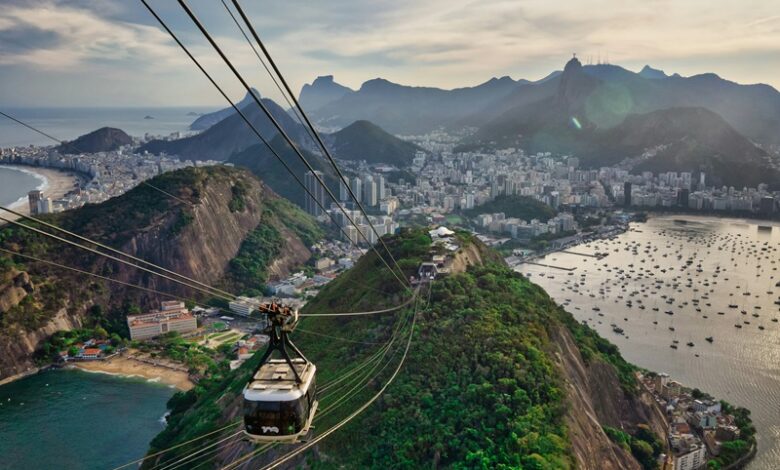
Nature does not hand out titles easily, but Brazil has one few countries can argue about: the world’s most biodiverse country on Earth. With the thick canopy of the Amazon and the wetlands of the Pantanal, Brazil’s landscapes hold a share of life on this planet unmatched by any other country. This is not a trivia fact for readers anywhere in the globe. It’s a reminder of how much of the biological riches of the planet are within the borders of a single country.
Why Brazil Is the Champion
Brazil’s biodiversity situation is nowhere near. It is home to some ten to fifteen percent of all the species known to man. Brazil is home to nearly two-thirds of the Amazon rainforest and five other large biomes, including the Atlantic Forest, Caatinga dry scrubland, Cerrado savanna, Pantanal wetlands and Pampa grasslands. Brazil has the highest number of plant and amphibian species in the world and this combination of tropical forest, wetland, savanna and coastline is rare.
What Lives in There
It’s hard to picture the numbers until you break them down:
•About 55,000 species of plants live in Brazil, many of them found nowhere else.
•There are about 70,000 known species of insects.
•Almost 3,000 species of freshwater fish exist.
•The nation ranks first in the world for the diversity of amphibians and primates.
•It is second in the world in the number of mammals and reptiles and third in the number of birds.
Why This Matters Beyond Brazil’s Borders
A country with this level of biodiversity impacts not just its own population but the whole world. The Amazon alone is a major player in regulating rainfall patterns and storing carbon that helps to stabilize the global climate. Brazil also produces around a tenth of the world’s food, making its ecosystems directly relevant to global food security. When Brazil’s forests shrink, it is not a local effect. They ripple through climate systems, agriculture and the loss of biodiversity far beyond South America.
Current response in Brazil
Brazil has just unveiled its national biodiversity strategy under the United Nations, aiming to halt and reverse nature loss before the end of the decade. The plan relies on tools such as biodiversity credits, a regulated carbon market and dedicated forest financing mechanisms. The ambition is strong, but the funding to support it is still lagging behind, experts say.
A Quick Checklist to Understand Brazil’s Role
•Recognize that Brazil’s biodiversity is not only a national asset but also a global one.
•Watch how protecting forests drives policy because it impacts global carbon and rainfall patterns.
•Buy products and support organizations that source responsibly from Brazilian ecosystems.
•Follow the progress of Brazil’s biodiversity strategy through reputable conservation reporting.
Conclusion
It is not just a badge of honor that Brazil is the world’s most biodiverse country. It is a responsibility that goes beyond borders, because the health of the Amazon and the other ecosystems of Brazil affects climate, food and species survival around the world. The conclusion is this: what happens to Brazil’s forests doesn’t stay in Brazil.
Explore More: Discover the Ideas and Innovations Shaping Tomorrow
Which Technologies Will Transform Industries Next?
Discover the breakthrough technologies that could reshape traditional industries and the future of work.
Why Are Wetlands So Important Globally?
Explore the world’s most important wetlands and learn why they are vital for nature and humanity.
Can Innovation Improve Renewable Energy Reliability?
Check out the latest innovations making renewable energy cleaner, smarter, and more dependable.
Which Countries Lead Green Living?
Discover the 2026 ranking of the world’s greenest countries and their sustainability achievements.
How Are Cities Fighting Climate Change?
Explore the cities investing in climate-resilient infrastructure to