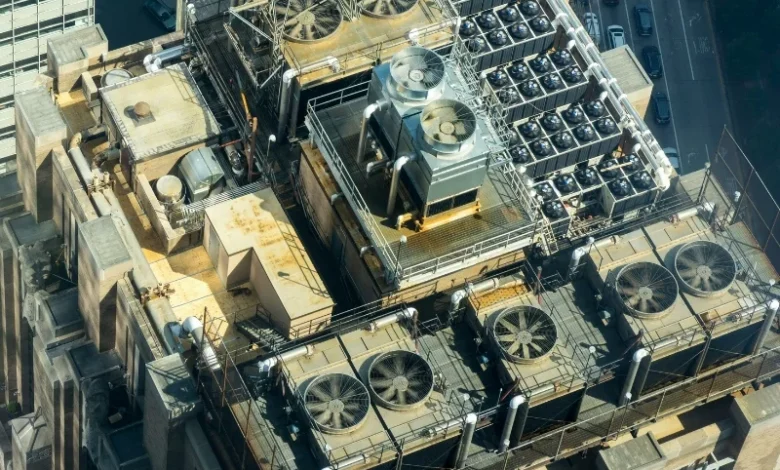
Surfaces that have radiative cooling roofs capabilities can keep cool as they reflect sunlight and release heat into the atmosphere, making them cooler than the surrounding atmosphere even in the sunlight. Innovative coatings create surfaces that cool roofs without use of electricity and Indian cities can experience an increase of 2-10 degrees Celsius in temperature compared to the neighboring regions.
What did the research reveal?
Radiative cooling roofs were used in an Indian pilot project where surface temperature was decreased by 9-12 degrees Celsius outside and was 0.5-1.5 degrees Celsius cooler inside. The use of cool coating in Singapore helped achieve a temperature below ambient of 3 degrees Celsius during high humidity. Cool roof tiles of one of the villas in Mumbai helped reduce temperature of the roof surface by 12-18 degrees Celsius.
Where can it be most efficient?
According to results of the simulation, a specific type of radiative cooling coating can be found to be more efficient in dry climate regions, with cooling achieved at temperature fluctuations of 17.3 degrees Celsius in Delhi and 20.6 degrees in Jaisalmer, while results are not as promising in the monsoon season.
What are the disadvantages?
Simple cool roofs are cheaper, while advanced coatings are still expensive and are still being validated under Indian conditions. For top floors, see our guide to top floor apartments.
You May Also Like
What are heat pumps?
Learn how this quiet technology heats and cools homes efficiently.
How many die in European heatwaves?
Read about the hidden toll of heat.
What do weather alerts mean?
Decode yellow, orange and red warnings.
Why are cyclones strengthening faster?
Read about rapid intensification and why it matters.
Can panels on water power the future?
Find out how floating solar could work.