
Heat pumps explained are able to provide efficiency between 300 percent and at best only 100 percent efficiency that a normal heater can create as heat pumps do not generate heat, but transfer it.
What Is The Working of A Heat Pump?
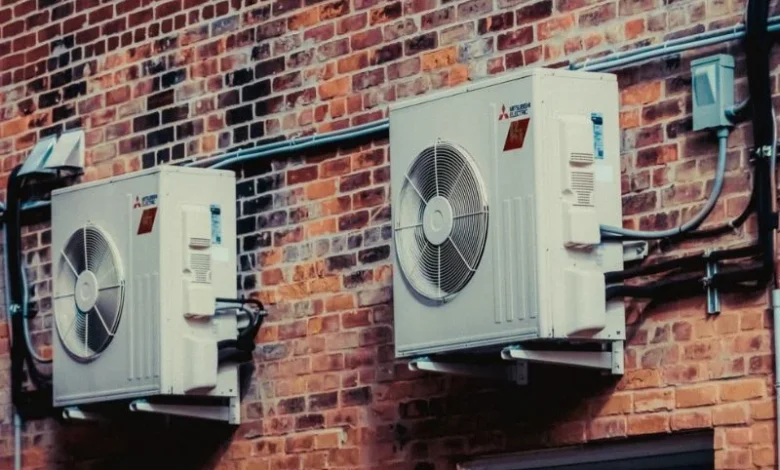
Essentially, a heat pump is considered to be a combination of heater and air conditioning unit as it operates in the same manner as air conditioning system but the key difference is heat pumps move heat from one place to another.
Can Heat Pumps Work in Cold Weather Conditions?
Definitely! Norway is one of the countries where about 60 percent of all buildings are equipped with heat pumps, while Sweden and Finland have respectively 40 percent of heat pump usage. Most recent models of heat pumps can maintain their effectiveness even when temperatures fall down to -28°F.
The Climate Advantage
- Emissions: Heat Pumps are capable of lowering emissions by 20% as compared to gas boilers on dirty grids, and in case of clean grids, emissions may be reduced by approximately 80%.
- Impact: According to the IEA, wider usage may help to eliminate 500 million tonnes of CO2 by 2030.
- What is the Importance of This? – Heating buildings accounts for 10% of the world’s CO2 emissions.
What Is the Sales Volume?
In 2024, sales of heat pumps exceeded those of gas boilers for the first time by 30%, and about 30% of installations can be accounted for in China. Europe’s situation is less favorable: sales fell in 2023 and 2024 due to weaker subsidies, but grew again in 2025.
What Are the Challenges? – heat pumps explained
Insulation is important. If households install a heat pump without improving their energy efficiency, they may increase their peak electricity consumption during winter by 3 times.
Stay informed on nature’s biggest global events
Can Renewables Deliver a Greener Future?
Weigh the promise and the limits.
Is Extreme Heat a Health Crisis?
See why heat is now a health crisis.
Will Countries Hit Food Goals?
Find out why most may miss 2030 targets.