
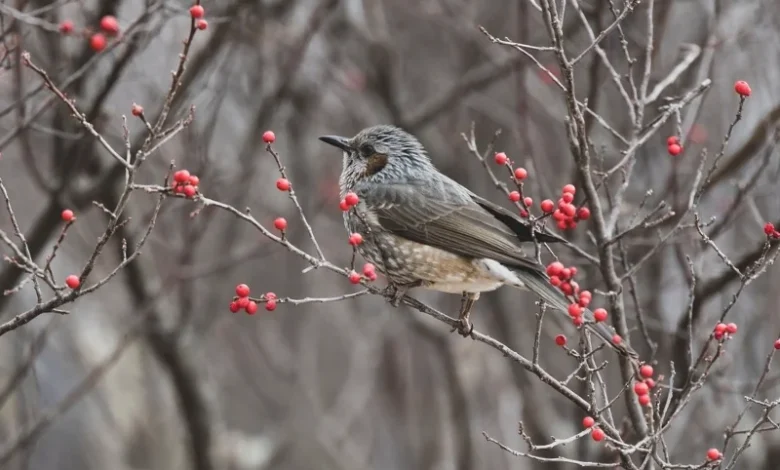
Putting seed and fat out for feeding winter birds is one of the more popular means for people to engage with wildlife. It is not just helpful for wildlife in the colder months, as extra food could help birds survive when the weather is tough, but research indicates there could be drawbacks to bird feeding.
Benefits of putting out bird feed
Well planned bird feeders mean that the survival rate of many small birds increases during difficult conditions. Citizen science projects run by organisations such as the British Trust for Ornithology and the Cornell Lab of Ornithology show positive results when feeding winter birds is done consistently for a range of bird species.
What Are the Dangers?
Feeding areas that are too full can become areas where bird-bird diseases are spread. Unhygienic feeders who are feeding winter birds are prime examples of disease vectors and feeding can allow certain species or those that are not native to dominate feeding areas, thereby disadvantageing native species. If food is abruptly stopped in the late winter, then birds may face scarcity in the feeding areas.
How Should I Feed Birds Responsibly?
Clean your bird feeders; offer suitable food, and avoid overcrowding. Also, plant shrubs that provide food and other needs to the birds. Used thoughtfully, garden feeding remains a net positive for many urban and suburban birds.
Keep Reading
Monarch Butterfly Migration: Is It Collapsing?
Follow the status of another species people try to help through gardening.
Global Pollinator Collapse: What’s Behind the Decline?
Understand the wider pressures on insects and other wildlife.
Wildlife Population Decline: What the Latest Numbers Show
See the global context for local efforts to support animals.