
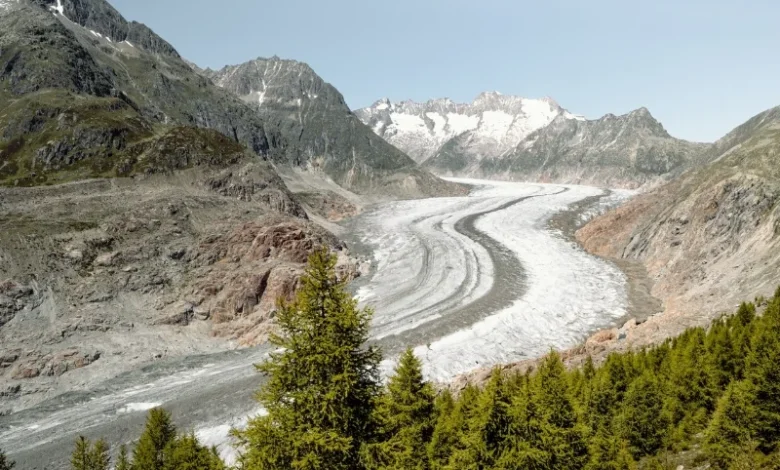
Rock glaciers may look like normal rock slopes, but they consist of a significant amount of inaccessible ice and debris. This hidden ice melts slowly and forms streams which supply water for the locals, both for drinking, livestock and for irrigation, especially in the dry months.
Why Are They Necessary?
Unlike the open glaciers, the rock cover keeps the ice insulated, which allows rock glaciers to survive for longer in times of global warming. Studies that have been conducted in the Himalayas, Andes and Alps show that the people of villages such as Komic in western Himalayas derive water from streams created by the melting of rock glacier’s ice. A research article that appeared in a journal, Science of the Total Environment, and was quoted by Eos, indicates that the rock glaciers are becoming increasingly important because of climate changes.
What Poses a Danger to Them?
Soaring temperatures are causing the permafrost supporting these formations to deteriorate. With too rapid melting of the ice in the ground, their stability can be compromised, and the regular availability of water may be compromised. Some locals are already working on creating small reservoirs to cope with the situation.
Why Is It Relevant to Us?
At the time when traditional glaciers reduce in size, rock glaciers may become among the last dependable water sources for settlements located in tall mountains. Grasping their significance makes part of understanding climate change processes that are happening in the mountain areas.
You May Like It
Swiss Glaciers Shrink by 20% in 5 Years
See how fast conventional glaciers are disappearing in the Alps.
Ladakh Glaciers Slow as Water Crisis Looms
Understand the water risks facing Himalayan communities.
Swiss Glacier Retreat Impact on Alpine Ecosystems
Learn how melting ice is changing mountain habitats.
Snow Droughts: Why Winters Are Losing Their Snow
Explore another pressure on mountain water supplies.
Danube Drought 2026: Crops, Dry Rivers and Crisis
See how low water levels are already affecting Europe.