
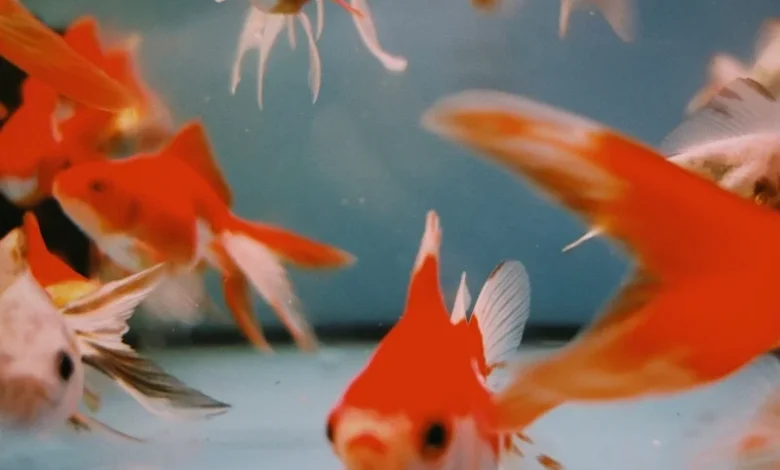
Released from home aquariums, goldfish can become destructive invaders. Around the world, feral goldfish have stirred sediments, uprooted plants, spread diseases, and out-competed native fish in lakes and ponds.
What Damages Do They Cause?
Goldfish are resilient and breed quickly. They consume sediment, which clouds the water and blocks sunlight from aquatic plants. As a result, the established populations of goldfish can turn clear lakes into murky, low-oxygen bodies. They also carry parasites and pathogens affecting other species.
What Is Driving This Issue?
Pets are being thrown into water bodies by people who think that the fish can survive there and will be happy. Warmer waters coupled with nutrient contamination create favourable conditions for goldfish as compared to vulnerable indigenous species. Once the populations reach high levels, the matter becomes expensive and usually difficult to resolve.
What Measures Are in Place to Combat the Issue?
Educational campaigns do not tell people not to throw their pets out of the aquarium, while targeted catching and trapping help in some cases. But still, the best way to deal with this problem is to prevent it from arising.
Keep Reading
Biodiversity Loss Surges in Climate-Sensitive Areas
See how invasive species interact with other drivers of decline.
Wildlife Population Decline: What the Latest Numbers Show
Understand the global pressure on freshwater and other species.
New World Screwworm: Why Is a Flesh-Eating Pest Spreading North?
Explore another invasive organism expanding its range.
Grassland Loss Hits Global Bird Populations
Learn how habitat change compounds the effects of invasives.
Spillover: How Habitat Loss Raises Pandemic Risk
See the wider links between ecosystem disruption and disease.