Destroyed Crops, Dry Riverbeds and a ‘Rock of Starvation’: How the Danube Drought Is Devastating Europe
The Danube drought is devastating Europe in 2026, destroying crops, drying riverbeds and exposing the Rock of Starvation as record-low water levels hit Hungary.

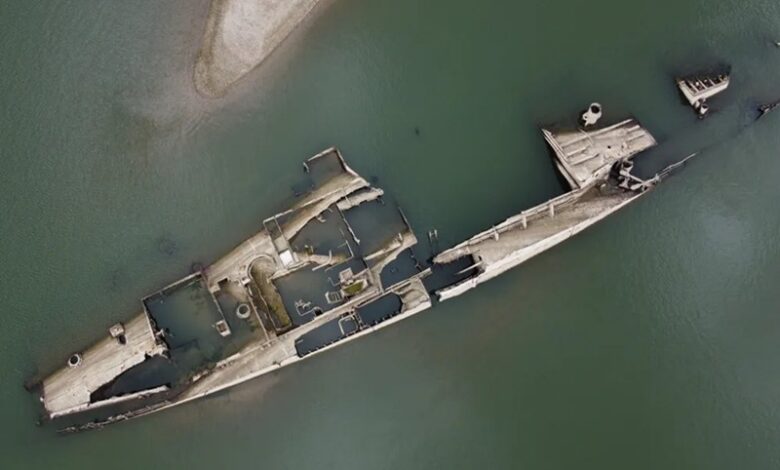
Rivers rarely hit the headlines until they run dry. The Danube drought this summer has achieved exactly that, extracting a legendary boulder from the water in Budapest and forcing farmers, fishing communities and entire towns along Europe’s longest river to crisis.
A Boulder That Warns of Famine
Nestled beneath Budapest’s Gellért Hill lies a stone known to locals as the Ínség-szikla, or the Rock of Starvation. For centuries, if the Danube fell low enough for this rock to appear, it meant the floating mills had stopped turning, crops were dying and hunger was coming. This year the rock hasn’t just stuck up out of the water. It has risen almost entirely, sand riverbed around it, to the wonder of the geologists and government scientists who came to see it.
Farms and families feel the sting
It’s not merely symbolic damage. The prime minister of Hungary has warned that the economic consequences of this drought could be worse than the severe drought that hit the country’s agriculture in 2022. Farmers along the river say they’ve lost up to half their crops and some are worried about losses closer to 70 percent. In villages along the water, families have been cooling themselves off in the shallow Danube itself and military water tankers have been mobilized to pump water from rural wells and replenish local reservoirs.
Water and Energy Under Pressure
Low water levels have also forced Hungary to shut all but one of their Danube-cooled nuclear reactors—a first in 44 years. River traffic was stopped in places near the Austria-Slovakia border, and forecasters don’t expect any significant rain or relief for days, perhaps weeks, as another heat wave builds across the region.
What this means for communities along rivers
For households along the Danube, this drought is not an abstract climate story, especially for those without easy access to piped water or banking services. It is a daily struggle for water, food prices and income. Some practical points worth knowing:
•The fastest source of up-to-date drinking-water advisories are local authorities and the river-basin agencies.
•Farmers dependent on river irrigation should look for official schemes to help with crop losses, because governments have provided emergency aid after serious droughts in the past.
•Communities reliant on river-linked energy or industry could be subject to temporary disruptions worth planning for.
•Mobile apps enable residents in the Danube basin to track weather and water levels and receive early warning of shortages.
Explore More: Discover the Ideas and Innovations Shaping Tomorrow
Which Technologies Will Transform Industries Next?
Discover the breakthrough technologies that could reshape traditional industries and the future of work.
Why Are Wetlands So Important Globally?
Explore the world’s most important wetlands and learn why they are vital for nature and humanity.
Can Innovation Improve Renewable Energy Reliability?
Check out the latest innovations making renewable energy cleaner, smarter, and more dependable.
Which Countries Lead Green Living?
Discover the 2026 ranking of the world’s greenest countries and their sustainability achievements.
How Are Cities Fighting Climate Change?
Explore the cities investing in climate-resilient infrastructure to
Conclusion
The drought on the Danube and the reappearance of the Rock of Starvation are stark reminders that a warning etched into folklore centuries ago still holds true today. The message from this old boulder is simple: when the river falls this far, it is time to prepare, not wait. The ripple effect of record-low water levels is affecting farming, energy and daily life across ten countries.The Danube is speaking again, and history tells us to listen.