Bats: The World’s Only Flying Mammal That Keeps Ecosystems Alive
Learn why bats, the world's only flying mammals, keep ecosystems alive through pollination, seed dispersal and natural pest control across the globe for nature.

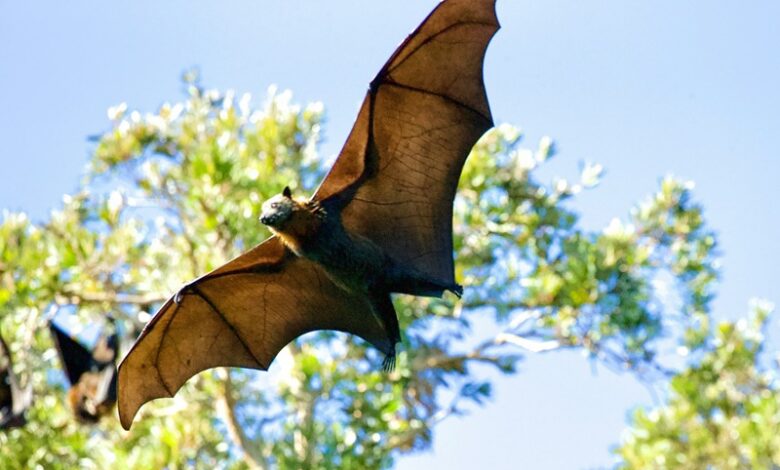
If you think of animals that can fly, birds and insects are usually the first that come to mind. But there is one group of mammals that has perfected true flight, and it is not the flying squirrel or the sugar glider, which only glide. Bats are the only mammals capable of true flight, and this single evolutionary trait has taken them to virtually every corner of the planet except for Antarctica.
How Bats Became the Nite Fliers of Nature
Bats have thin, flexible wings made of skin stretched over elongated finger bones, unlike gliding mammals. This structure allows them to turn quickly, hover and chase fast-moving insects in total darkness. Most bats rely on a natural sonar system called echolocation to navigate and hunt their prey. Larger species like flying foxes rely mostly on sight and smell to find fruit and nectar.
Why Bats Matter to Our Daily Lives
Bats are more than a curious footnote in your biology book. They quietly support agriculture and public health around the world.
•One bat can eat thousands of insects a night, including mosquitoes and crop pests.
•Fruit- and nectar-eating bats pollinate crops such as bananas, mangoes and agave, the plant used to make tequila.
•Bat droppings, or guano, are a natural fertilizer in many farming communities.
•Bats eat insects and help to naturally control insect populations, reducing the need for chemical pesticides, which saves farmers money.
A Species Under Growing Threat
But bats are still very badly protected in many countries. Ancient superstitions that associate bats with bad luck or disease have often led to the destruction of roosts rather than their protection. Add to this the loss of caves, old trees and abandoned buildings where bats roost, as well as increasing collisions with wind turbines, and it is easy to see why so many bat populations are quietly declining, even in places they have inhabited for centuries.
How Communities Can Help Bats—Easy Ways
You don’t need big budgets or government programs to protect bats. What matters is what each of us does locally, on a small scale.
•Don’t disturb caves or old buildings during the roosting and breeding seasons of bats.
•Leave dead or hollow trees standing rather than clear them where possible.
•Help local wildlife groups working on bat conservation.
•Stop needless killing and educate children and neighbors that bats are helpers, not pests.
•Report any unusual bat die-offs to your local forest or wildlife agency.
Conclusion
Bats may be nocturnal and hidden, but their role in keeping productive farms and balanced ecosystems healthy affects our lives more than most people realize. Saving the world’s only flying mammal is not just a conservation goal; it’s a practical investment in food security and healthier communities everywhere.
Explore More: Discover the Ideas and Innovations Shaping Tomorrow
Which Technologies Will Transform Industries Next?
Discover the breakthrough technologies that could reshape traditional industries and the future of work.
Why Are Wetlands So Important Globally?
Explore the world’s most important wetlands and learn why they are vital for nature and humanity.
Can Innovation Improve Renewable Energy Reliability?
Check out the latest innovations making renewable energy cleaner, smarter, and more dependable.
Which Countries Lead Green Living?
Discover the 2026 ranking of the world’s greenest countries and their sustainability achievements.
How Are Cities Fighting Climate Change?
Explore the cities investing in climate-resilient infrastructure to