15 World’s Most Important Wetlands and Why They Matter
Discover the 15 world's most important wetlands, their wildlife, climate benefits, and why protecting these vital ecosystems matters for nature and people today.

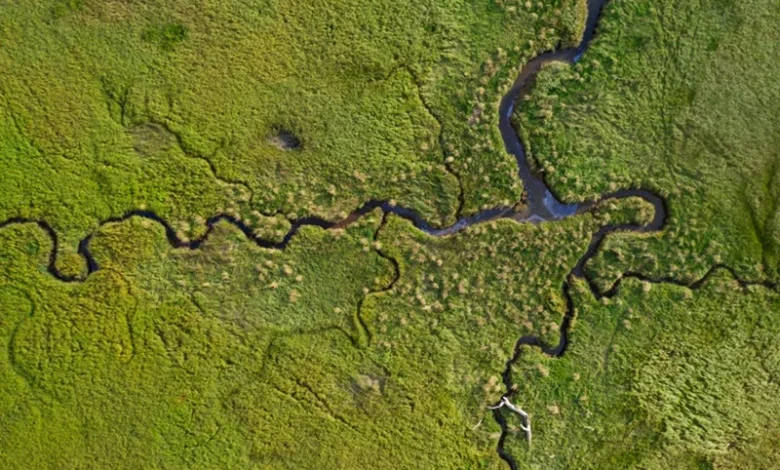
Wetlands are among the most valuable ecosystems on Earth. They include marshes, swamps, mangroves, peatlands, and floodplains that support wildlife, store carbon, filter water, and reduce the impact of floods. Despite covering only a small portion of the planet’s surface, wetlands play a crucial role in maintaining biodiversity and protecting communities from climate change.
1. Pantanal (Brazil, Bolivia, and Paraguay)
The Pantanal is the world’s largest tropical wetland. It is home to jaguars, giant otters, caimans, and hundreds of bird species, making it one of the most biodiverse ecosystems on Earth.
2. Everglades (United States)
Located in Florida, the Everglades provide habitat for endangered species such as the American crocodile and Florida panther while supplying freshwater to millions of people.
3. Sundarbans (India and Bangladesh)
The Sundarbans are the world’s largest mangrove forest and are famous for the Royal Bengal Tiger. The mangroves also protect coastal communities from cyclones and storm surges.
4. Okavango Delta (Botswana)
Unlike most river deltas, the Okavango Delta flows inland, creating a rich wetland ecosystem that supports elephants, lions, hippos, and numerous bird species.
5. Danube Delta (Romania and Ukraine)
The Danube Delta is one of Europe’s largest wetlands and an important breeding ground for pelicans, fish, and migratory birds.
6. Kakadu Wetlands (Australia)
Kakadu National Park contains extensive wetlands that support crocodiles, waterbirds, turtles, and unique native plant species.
7. Mesopotamian Marshes (Iraq)
These historic wetlands are among the oldest in the world and provide habitat for migratory birds while supporting local communities.
8. Camargue (France)
Located where the Rhône River meets the Mediterranean Sea, the Camargue is known for its flamingos, wild horses, and salt marshes.
9. Wadden Sea (Netherlands, Germany, and Denmark)
The Wadden Sea is the world’s largest unbroken intertidal mudflat system and an essential stopover for millions of migratory birds.
10. Inner Niger Delta (Mali)
This seasonal wetland supports agriculture, fishing, and millions of migratory birds while providing livelihoods for local communities.
11. Hula Valley (Israel)
The Hula Valley is a major migration route for birds traveling between Europe, Asia, and Africa.
12. Paraná River Delta (Argentina)
The Paraná Delta supports rich biodiversity and helps regulate water flow while providing important habitats for fish and wildlife.
13. Dongzhaigang Mangrove Reserve (China)
This protected mangrove wetland supports coastal biodiversity, improves water quality, and reduces coastal erosion.
14. Banc d’Arguin National Park (Mauritania)
This coastal wetland is one of Africa’s most important habitats for migratory shorebirds and marine life.
15. Chilika Lake (India)
Chilika Lake is Asia’s largest brackish water lagoon. It supports dolphins, migratory birds, fisheries, and thousands of local livelihoods.
Stay ahead with more climate insights and expert discoveries.
Why Are Monsoons So Unpredictable Now?
Dive into how climate change is reshaping seasonal rainfall.
How Do Scientists Trace Climate Disasters?
Find how attribution science connects disasters to climate change.
Why Is Karachi Facing Rising Risks?
Uncover why climate threats are growing across the city.
Can Climate Change Harm Your Heart?
Get to know how extreme weather affects cardiac health.
Why Do Biodiversity Hotspots Matter?
Check out how nature helps fight climate change naturally.
Conclusion
Wetlands are essential for healthy ecosystems, wildlife conservation, and climate resilience. From the Pantanal to Chilika Lake, these unique environments provide clean water, protect communities from floods, support millions of species, and sustain local economies. Conserving wetlands is critical for protecting biodiversity and ensuring a sustainable future.
FAQs
Q: What are wetlands?
A: Wetlands are areas where water covers the land permanently or seasonally, including marshes, swamps, mangroves, peatlands, and floodplains.
Q: Why are wetlands important?
A: Wetlands reduce flooding, improve water quality, store carbon, protect wildlife, and support millions of people’s livelihoods.
Q: Which is the world’s largest tropical wetland?
A: The Pantanal, spread across Brazil, Bolivia, and Paraguay, is the world’s largest tropical wetland.
Q: Why are mangrove wetlands valuable?
A: Mangroves protect coastlines from storms, reduce erosion, store large amounts of carbon, and provide habitat for marine life.