
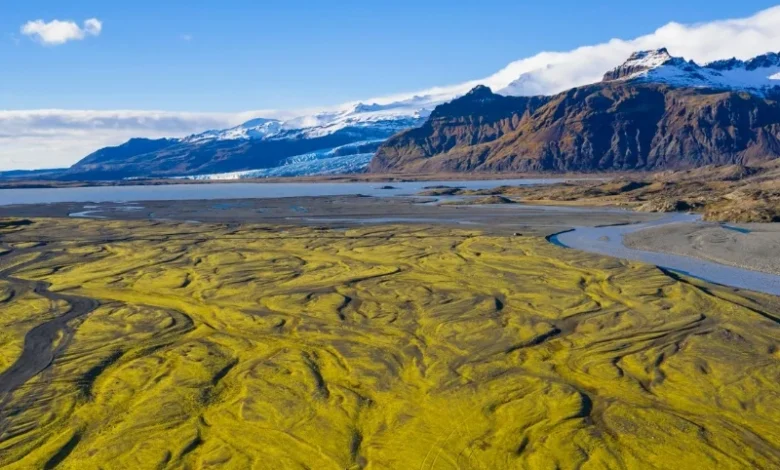
Usually snow and ice reflect most of the sunlight that falls on them. However, when glacier surfaces are colonized by microscopic glacier algae, then snow becomes darker and can show shades of pink or red, thus making it absorb more solar energy.
What is the Importance of Red Snow?
Darker surfaces have a lower albedo, i.e., they do not reflect as much light as other surfaces. Studies on glacier algae show that biological darkening contributes to an accelerated rate of melting.
What Factors Produce Growth of Algae?
The higher temperatures and melting water can create the required environment, while other conditions can also participate in the process of algae growth. NASA Earth Observatory gathers information on how glaciers affect reflectivity.
Is it Possible to Create a Feedback Mechanism in this Way?
The accelerated melting could create more favorable conditions for glacier algae that will darken ice even more.
Keep Reading More Environmental News
What are heat pumps?
Learn how this quiet technology heats and cools homes efficiently.
Is Antarctic ice disappearing?
Find out why it matters beyond the poles.
Is extreme heat a health crisis?
Learn why heat is becoming a public health threat worldwide.
What do weather alerts mean?
Decode yellow, orange and red warnings.