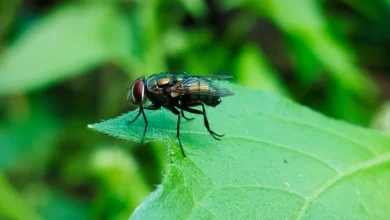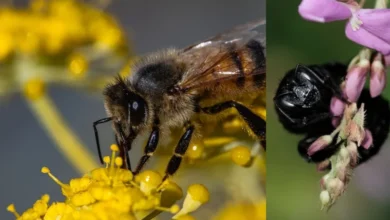

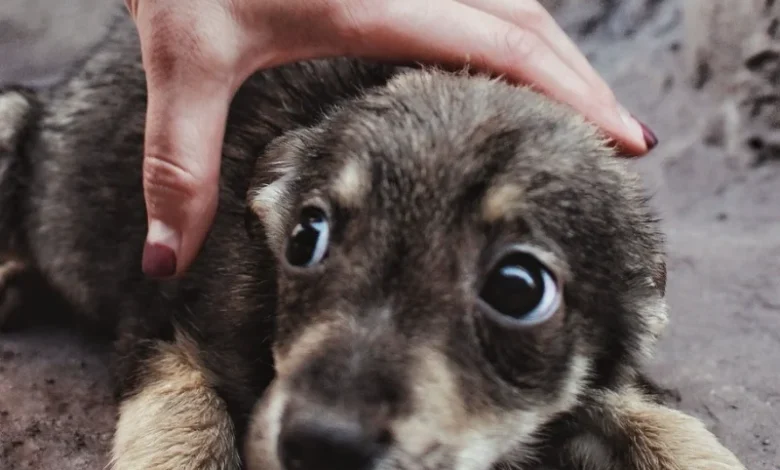
Animals don’t have to be directly attacked by humans in order to develop a fear of them. In fact, the mere existence of people can result in a dramatic shift in the location where an animal chooses to forage, sleep or raise its young. This concept is referred to by ecologists as the “landscape of fear”.
How Strong is the Landscape of Fear Effect?
Using camera traps and GPS collars, a number of research studies have found that various species including deer, carnivores, and a variety of birds tend to steer clear of locations close to a trail or road or even do so exclusively during the night. Avoidance zones can cover a range of hundreds of meters away from human disturbance. Articles published in science journals such as Science and other scientific studies reviewed by conservation organizations indicate that in many ways the influence of human activity upon wildlife has proven similar in its effect to the effects of other predatory influences.
What is the Outcome?
When animals shy away from good habitats because they perceive threats from people, they may move to inferior ones with fewer resources. This may even affect populations within protected parks. In the long term, the available good habitat will decrease in its effective size.
What Helps Minimize the Impact?
By properly planning trails, creating silent zones and restricting people’s activities at night while creating buffer areas adjacent to areas where animals are sensitive, this will help. It all starts with understanding the fact that the presence of people changes animal behavior, which is the first step towards finding better ways to live together.
You May Like It
Wildlife Population Decline: What the Latest Numbers Show
See the global context for local human-wildlife interactions.
Biodiversity Loss Surges in Climate-Sensitive Areas
Understand how multiple pressures combine to reduce species.
Grassland Loss Hits Global Bird Populations
See how habitat change further restricts where animals can live.