Amazon Rainforest Trees Face a Dangerous Tipping Point as Climate Pressure Grows

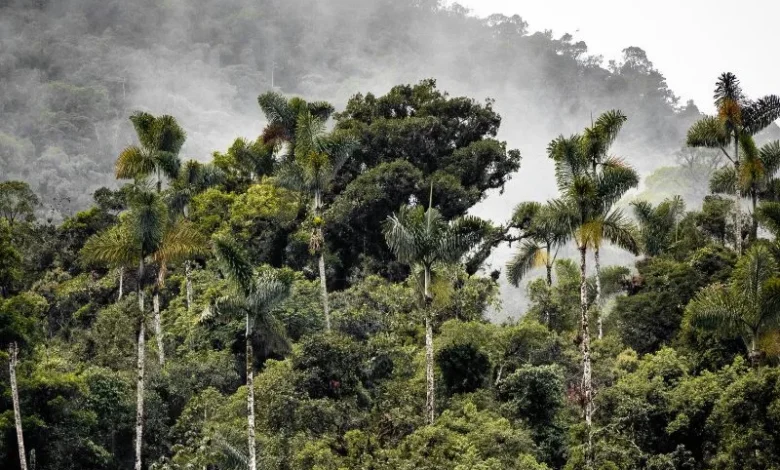
Heat, drought and deforestation are increasingly threatening the Amazon rainforest. Trees are vital for storing carbon and they also provide homes for millions of plants and animals. Scientists are increasingly worried that repeated environmental stress could push parts of the forest over a tipping point.
Amazon rainforest trees are Facing Increasing Stress
Amazon trees depend on regular rainfall to grow. Severe drought causes rivers to fall and the soil moisture to decline. Then during long hot spells trees find it hard to take up enough water. Recent studies have shown that extreme drought can reduce a tree’s ability to recover from stress that follows. This is important because climate change is making extreme weather more frequent and more intense in many parts of the world. Drought is even more of a problem in forests already stressed by logging or clearing of land.
What a Tipping Point Could Mean
An tipping point in the Amazon doesn’t mean the entire rainforest will suddenly vanish. Or some places could gradually lose their ability to support dense, wet forests. When trees die, there are less plants releasing moisture into the air. This can lead to less rain and drier conditions . Drier conditions can also lead to an increased risk of fire .These changes could set up a vicious cycle: drought causes trees to be lost, which then makes the effects of future drought worse.
Drought and Deforestation Are Connected
But climate stress is only part of the story. Deforestation is the destruction of trees, making large forests into small patches.
Forest edges are often more exposed to sunlight, wind and drying conditions. In addition, disturbed landscapes are more prone to spreading fires.
For Amazon basin countries, conserving existing forests can be as important as repairing damaged ones. Brazil, Peru, Colombia and other Amazon countries have adopted diverse conservation measures, but enforcement remains critical.
Why Amazon matters beyond South America
The Amazon rainforest is a global environmental treasure. Trees hold enormous amounts of carbon and influence rain patterns across South America. The forest is also the home of Indigenous peoples and local communities. Many rely on rivers, forests, farming, fishing and forest products for their daily living. In this way, the protection of the Amazon rainforest can lead to environmental stability and the livelihoods of local people. People all over the world can contribute by lowering their demand for products connected with illegal deforestation, supporting responsible businesses and purchasing certified forest-friendly goods.
What is helping trees in the Amazon?
Protection needs to be effective on a number of levels:
• No to illegal deforestation.
• Fight for Indigenous land rights
• Improve wildfire prevention.
• Restore damaged forest areas.
• Support sustainable farming.
• Monitor deforestation with satellites.
Conclusion
The Amazon tipping point remains a stark warning, not a foregone conclusion. Stopping deforestation and extreme drought and fire can make them more resilient.The bottom line: If we save Amazon trees today, we can help to prevent a far greater climate and biodiversity crisis tomorrow.
More climate stories to explore.
How Is Ladakh Changing Fast?
Check out how climate change threatens its historic architecture.
Why Are Animals Moving Away?
Find how climate change is reshaping wildlife migration.
Could Permafrost Worsen Climate Change?
Uncover why melting Arctic ground is a growing concern.
Can Kids Change Climate Policies?
See how youth lawsuits are influencing climate action.
Why Are Digital Climate Strikes Growing?
Browse how online activism is reshaping environmental protests.