The Wildlife Migration Nobody Is Talking About: Animals Are Quietly Following the Climate
Discover how wildlife migration is reshaping ecosystems as climate change forces animals to move. Learn why it matters and what communities can do today now.

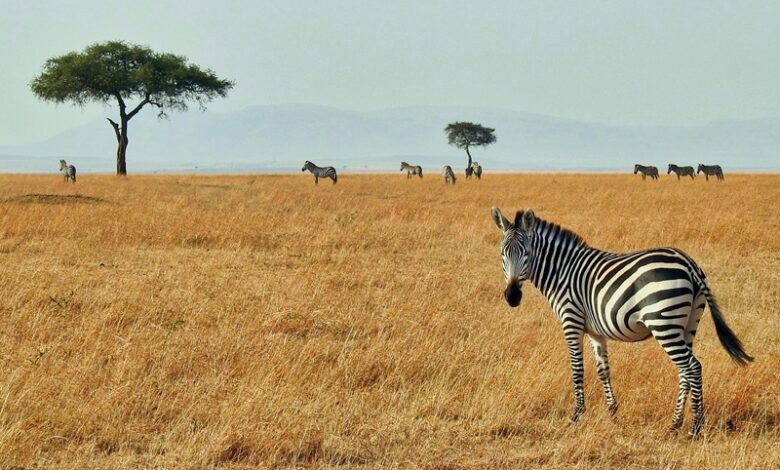
As the world watches melting ice caps and rising seas, a slower, quieter crisis is unfolding in forests, oceans and farmlands. Animals are moving. Not in dramatic ways, but steadily, generation after generation, looking for the cooler conditions their bodies were built for. This is the story of a wildlife migration, not by seasons, but by a changing climate.
The quiet revolution behind this
Scientists refer to it as a “range shift.” As it gets warmer, many species are not able to comfortably live where they have for generations. The global range-shift data shows animals generally moving south, to higher elevations or into deeper water, in search of cooler conditions. Fish are swimming to cooler seas, birds are nesting farther north, and insects are climbing higher up the slopes of mountains. In this slow migration, some animals have a real edge: a study of almost 1,900 species shows populations with higher genetic diversity are better able to adapt and expand their ranges.
Why It Matters Outside Of Nature Documentaries
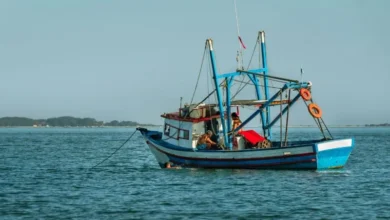
This is a story not only for wildlife lovers. Coastal fishing communities from West Africa to Southeast Asia are losing reliable catches as fish stocks shift to cooler waters. Pollinators changing range means unpredictable harvests for farmers. Food chains go awry when prey and predators are moving at different speeds, a pattern that researchers associate with local extinctions.
Explore More Clean Energy Stories
Why Oppose Deep-Sea Mining Now?
Discover why global protests are growing.
Is Clean Energy Winning Today?
Check out how renewables are overtaking fossil fuels.
Why Is COP30 Facing Backlash?
Find the latest clean energy debate.
How Does Green Fuel Help?
Look into sustainable aviation fuel benefits.
Why Is Solar Now Cheaper?
See how solar beats fossil fuel costs.
What Communities and Individuals Can Do
These changes are obvious and you don’t need to be a scientist to see or react to them:
•Report unusual sightings via community science apps like iNaturalist or eBird.
•Support local conservation groups that monitor species movement in your area.
•Farmers and fisherfolk can adapt what they grow or catch and lessen their dependence on animals that may migrate away.
•Many protected area maps are being redrawn; check with national wildlife agencies for current maps.
•Eliminate barriers such as fences, dams, or unbroken cropland that interrupt natural migration routes.
A quiet warning we mustn’t ignore
Wildlife moving through our forests, rivers and seas are giving an early warning about the health of our planet. Their wanderings are not random; they are a direct response to a warming world, and tracking their movements gives a clear picture of climate change in real time. Watching where wildlife is heading might be one of our best early warnings of what’s to come.