Hidden Microplastic Sources Raise Fresh Environmental Pollution Concerns
Discover hidden microplastic sources driving environmental pollution concerns worldwide. Learn their impacts, major sources, and ways to reduce plastic pollution.

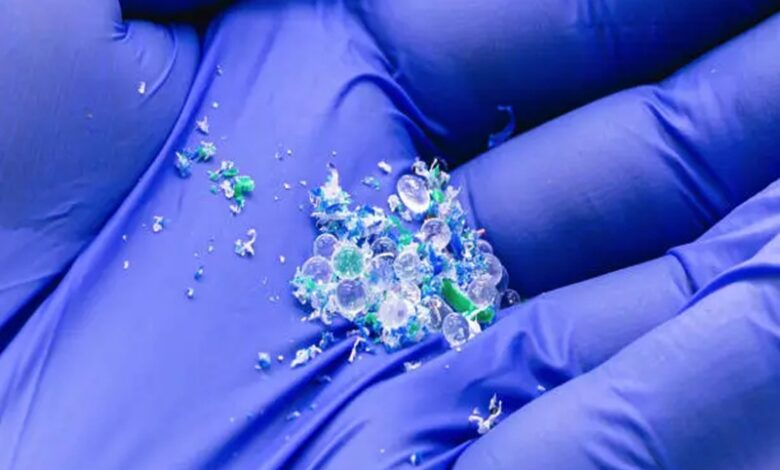
Grocery bags and food wrappers, for instance, have always been the obvious culprits of plastic pollution. But a new global review is challenging that assumption. It shows that some of the biggest sources of microplastic pollution are things we hardly notice in everyday life, such as car tires and hospital equipment. This has raised fresh concerns about environmental pollution among scientists and health experts around the world.
Everyday Sources No One Talks About
The review, which examined hundreds of peer-reviewed studies, found that microplastics come from more than just single-use packaging. They are also from places most homes wouldn’t suspect. One of these surprising hotspots turned out to be hospitals. Tiny plastic particles are released into the air from medical tools used during procedures in operating rooms, exposing patients and staff.
Home life is not a lot safer either. Over the years the paint on the wall peels off gradually, the tires of the vehicle wear out with every brake or turn and the synthetic clothes lose their fibres with every wash. None of these fibers are harmful at the time, but together they amount to millions of tonnes of plastic waste entering soil, water and air every year.
Why it matters for families like yours
This exposure is not hypothetical for families living in cities with heavy traffic, poor waste segregation, or limited access to filtered water. It comes on top of ongoing fights about air pollution and unsafe drinking water. Specifically, deprived communities often lack the means to buy air purifiers, water filters or plastic-free choices, making them more susceptible to the health effects over the long term that scientists are still trying to understand.In many countries governments are starting to react.
The European Union has introduced regulations to reduce microplastics in cosmetics and some Asian countries, including India and the Philippines, have begun to tighten regulations on single-use plastics and packaging waste. But most existing laws target visible plastic waste, not the invisible particles that flake off everyday products, tools and infrastructure.
Simple steps families can take now
Policy trails, but individuals and families can cut their own exposure with a few practical habits:
•Wash synthetics less often, and use a laundry filter or mesh bag to trap loose fibers.
•When buying new clothes, choose natural fabrics like cotton or wool over polyester.
•Do not microwave or store hot food in plastic containers.
•The HEPA filter vacuum reduces plastic dust in your home.
•Open windows or use air purifiers to ensure regular ventilation of indoor spaces
•Support local recycling and plastic reduction programmes run by community groups or city councils.
A Global problem with Local Solutions
The problem of microplastic pollution is not confined to any country or income level. It affects us all—from city dwellers to rural communities along our rivers and coasts. The value of this new research is that it moves us away from blame and towards a practical understanding. Once people know the actual sources of these particles, they can make smarter, more informed decisions in their own homes.
Conclusion
Microplastic pollution is no longer simply an ocean problem or a packaging problem. Tyres, paint, hospital instruments, and laundry habits—things most people never questioned before—are woven into daily routines. It will take better product design and daily awareness working together along with stronger regulation to solve it. Until that day, small household changes are the most practicable shield families have. What is Invisible Plastic? It’s a product that starts with visible choices, one habit at a time.
Discover smarter ways to go green.
How Can You Cut Emissions?
Check out simple ways to reduce your footprint.
How Much Energy Does AI Use?
Find the hidden environmental costs.
Which Small Habits Make Difference?
Uncover easy actions with big impact.
How Green Is Film Production?
Dive into cinema’s environmental footprint.
What Are The Best Eco Steps?
Explore practical ways to lower emissions.