
15 Easy Ways to Lower Your Household Carbon Footprint
Discover 15 easy ways to lower your household carbon footprint. Save energy, reduce waste, cut emissions, and make your home more eco-friendly every day.

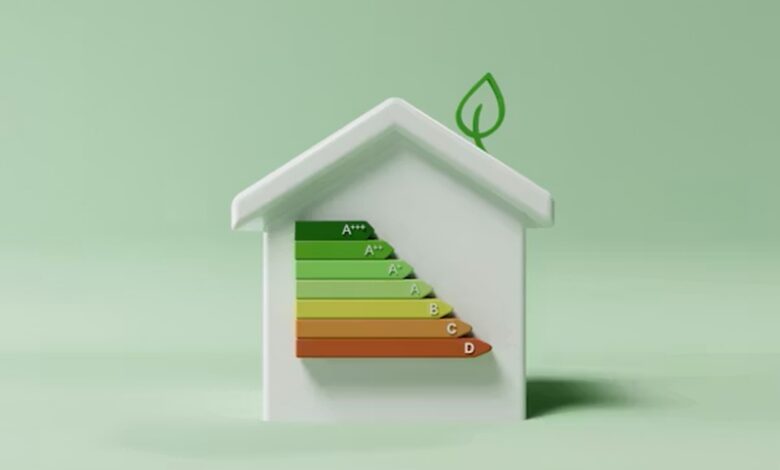
Reducing your household’s carbon footprint doesn’t require major lifestyle changes. Small, everyday habits can help lower energy use, reduce waste, and decrease greenhouse gas emissions. Here are 15 simple ways to make your home more environmentally friendly.
1. Switch to LED Bulbs
LED lights use less electricity and last much longer than traditional bulbs.
2. Turn Off Unused Electronics
Switch off lights, fans, TVs, and chargers when they are not in use to save electricity.
3. Use Energy-Efficient Appliances
Choose appliances with high energy-efficiency ratings to reduce power consumption.
4. Set Your AC Wisely
Keep your air conditioner between 24°C and 26°C for better energy efficiency and lower electricity bills.
5. Fix Water Leaks
Repair leaking taps and pipes to conserve water and reduce the energy used to pump and treat it.
6. Reduce Single-Use Plastics
Carry reusable shopping bags, bottles, and food containers instead of disposable plastic products.
7. Wash Clothes in Cold Water
Using cold water saves electricity by reducing the need for water heating.
8. Dry Clothes Naturally
Whenever possible, use sunlight instead of an electric dryer.
9. Plant Trees and Native Plants
Trees provide shade, improve air quality, and help keep homes cooler during summer.
10. Separate Household Waste
Recycle paper, plastic, glass, and metal, and compost kitchen waste whenever possible.
11. Reduce Food Waste
Buy only what you need, store food properly, and use leftovers to minimize waste.
12. Walk, Cycle, or Use Public Transport
Reducing private vehicle use lowers fuel consumption and air pollution.
13. Install Rooftop Solar Panels
Solar energy can reduce your dependence on grid electricity and lower long-term energy costs.
14. Use Ceiling Fans Before Turning on the AC
Fans consume much less electricity and can keep you comfortable on moderately warm days.
15. Buy Local and Seasonal Produce
Locally grown food often requires less transportation, reducing emissions associated with long-distance shipping.
More Climate Insights
How Is Climate Changing Daily?
Discover today’s real impacts.
What Climate Effects Go Unnoticed?
Uncover hidden everyday changes.
Why Protect Biodiversity Hotspots?
Find nature’s climate solution.
Why Are Monsoons So Unstable?
Learn what’s driving change.
Is Your Home Monsoon Ready?
Check out essential preparations.
Conclusion
Lowering your household carbon footprint starts with simple daily choices. Saving electricity, reducing waste, conserving water, and using cleaner energy sources can benefit both the environment and your monthly expenses. Even small changes, when adopted consistently, can make a meaningful difference over time.
FAQs
Q: What is a household carbon footprint?
A: It is the total amount of greenhouse gases produced by your home’s energy use, transportation, and daily activities.
Q: Which household activity creates the most emissions?
A: Electricity use, heating and cooling, and transportation are among the largest contributors.
Q: Can small lifestyle changes really help?
A: Yes. When practiced consistently, small changes can significantly reduce energy use and emissions.
Q: Is rooftop solar a good way to reduce emissions?
A: Yes. Solar panels generate clean electricity and reduce dependence on fossil fuels.